
Paul Hodgson
Artist’s Statement:
I’m an artist who is primarily concerned with restaging and reactivating creative moments within the history of art, to generate works that deconstruct the processes that lead to the formation of a fixed artwork. In doing this, I make tangible again aspects of the creative process that get lost through the historicization of art, revealing the multiplicity of creative outcomes in relation to histories. I work with a now invisible fabric of making – the parts of art history that are passed through and discarded – when what we are presented with are the completed art objects.
The way that I do that is to construct a physical space within my permanent studio, in which to restage, re-envision, and disrupt certain actions and circumstances that led to the making of an artwork, (or type of artwork), in history. Each finished work that I make within this meta-studio, includes a representation of the site in which it was put together – as both a form of historical restaging, and a deconstruction of my own working practice. I refer to this space-within-a-space as the ‘sculptor’s studio’. A place where fragments of visual language can glide one over another in a manner akin to post-modernist practices – and certain productive actions, and theories of time, can be reorganised in different ways.
Finding myself drawn to something miraculous within the creative process, I’m intrigued by the act of creating as it becomes historicised in artworks. Moving from its generative state in the artist’s studio, (with its inherent agency around time and action), to the inexplicable wonderment of a finished artwork, what is in these historical and cultural processes – when an artwork acquires a certain type of fixity – that is so compelling? And by deconstructing specific actions in the artmaking process – and the intentionality behind them – is it possible to authenticate, and assess the value of a subjective voice through such a critical reading?
Unlike a finished artwork, which is unlikely to be tampered with, the trope of the artist’s studio represents an environment in which creative processes can remain fluid in time and space – enabling me to return to these moments of production and treat history as a malleable set of contingent events. Think of Brice Marden assisting Robert Rauschenberg to create screen-printed images onto acrylic sheets, which we can revisit through archive photographs. Art & Language making a series of works sited in their studio – each one made through a different process or action, with descriptive titles such as Index: The Studio at 3 Welsey Place Painted by Mouth (I), 1982. Or Kaari Upson dismantling a charcoal/wax paraffin cast of a life-sized doll inside an enclosed wooden room in her LA studio. (Later exhibiting the constructed room, which contained the blackened effigy of the cast doll.) If we place an emphasis on the creative action itself, then the private studio environment is arguably as important as both the works that were produced there, and the public exhibition space in which they will be shown.
In choosing to work across a range of media (drawing, painting, digital print, photography, and sculpture), I employ different temporal signatures associated with specific techniques, materials, and visual styles. How an artwork was made is as important as what is presented – reflecting both the intentions of the artist, and the social and political conditions of various historical eras. When including visual language from the past in my work, I wish to engender a new interpretational framework in which this information can be ratified, dissolved, or repositioned.
Through a historiographical component in my practice, I look at the non-fixedness of outcomes in a post-evidence or non-fact-based situation, acknowledging the transition from analogue temporal and spatial relations in the post-war decades, to the dominant influence of digital technology in the late 20th and early 21st century. Certain questions that interest me can be seen as ontological enquires about the nature of being and becoming. And in addressing perennial concerns about the self and its ability to articulate an identity, they are of particular importance in the third decade of the 21st century, given a growing trend to present subjective opinion as indisputable fact.
One Liners - Opening October 2026
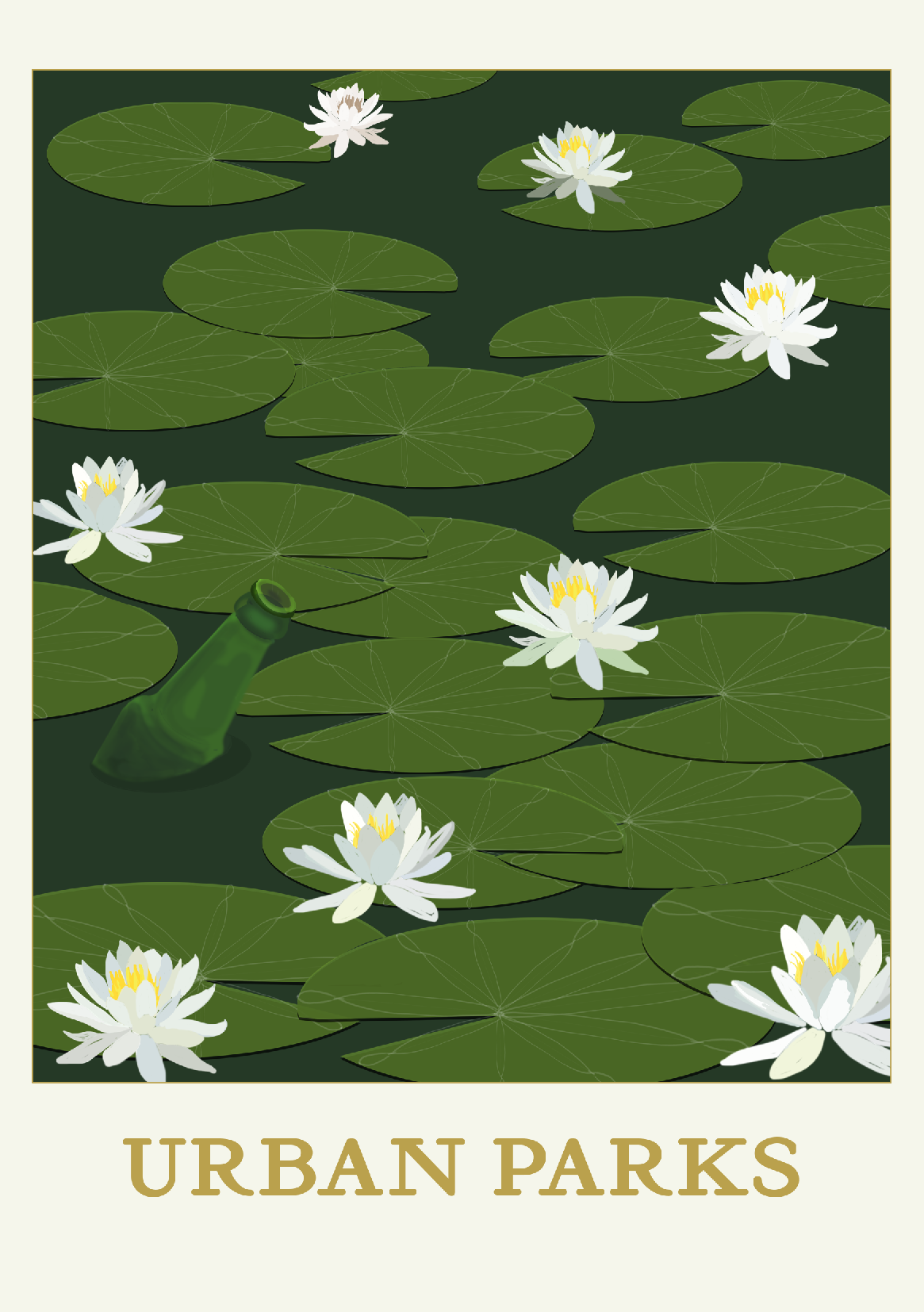
Urban Park: Lilies - Edition of 50 - (50 x 70cm) - £200
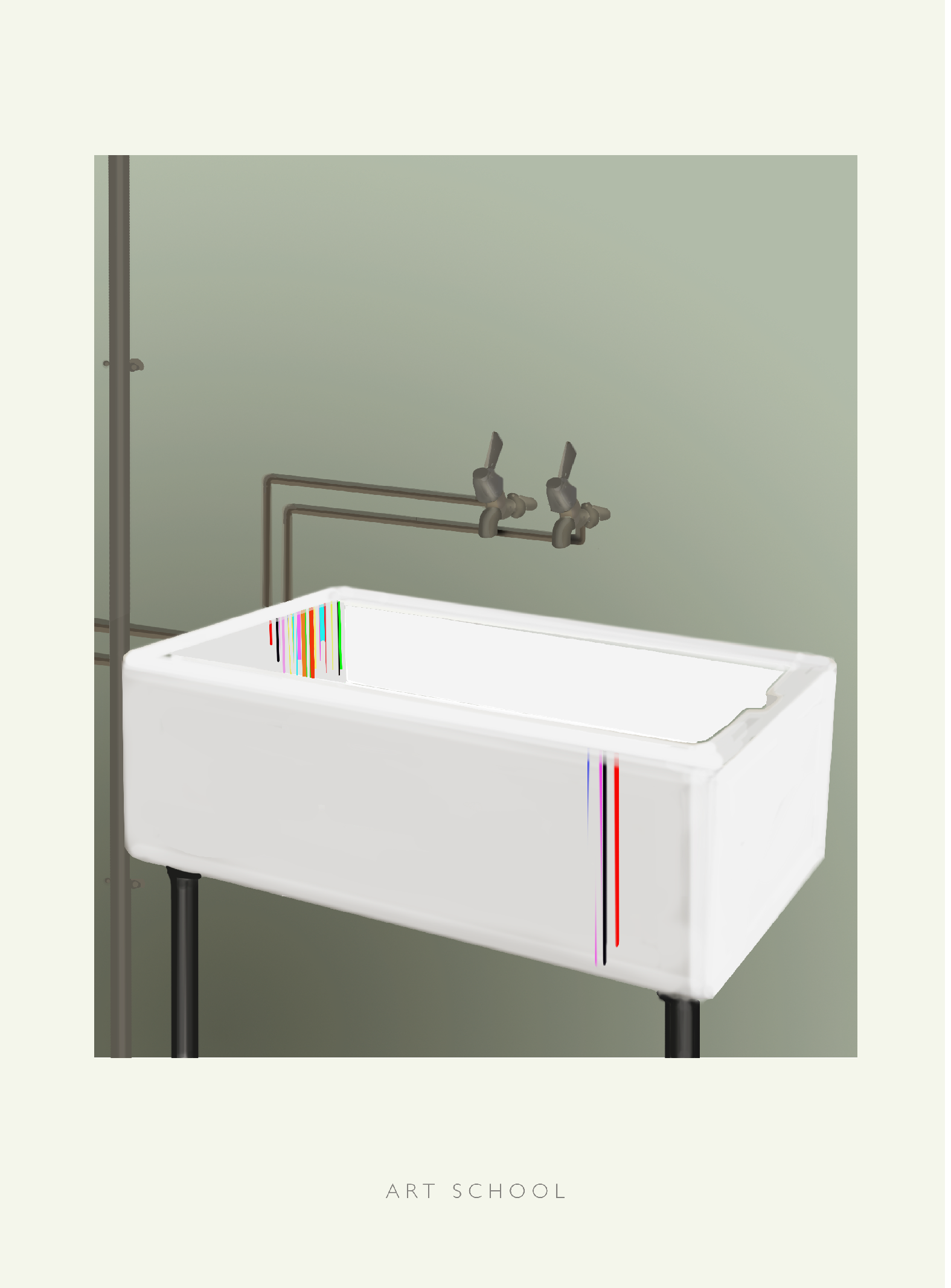
Art School Sink - Edition of 50 - (30 x 40cm) - £120
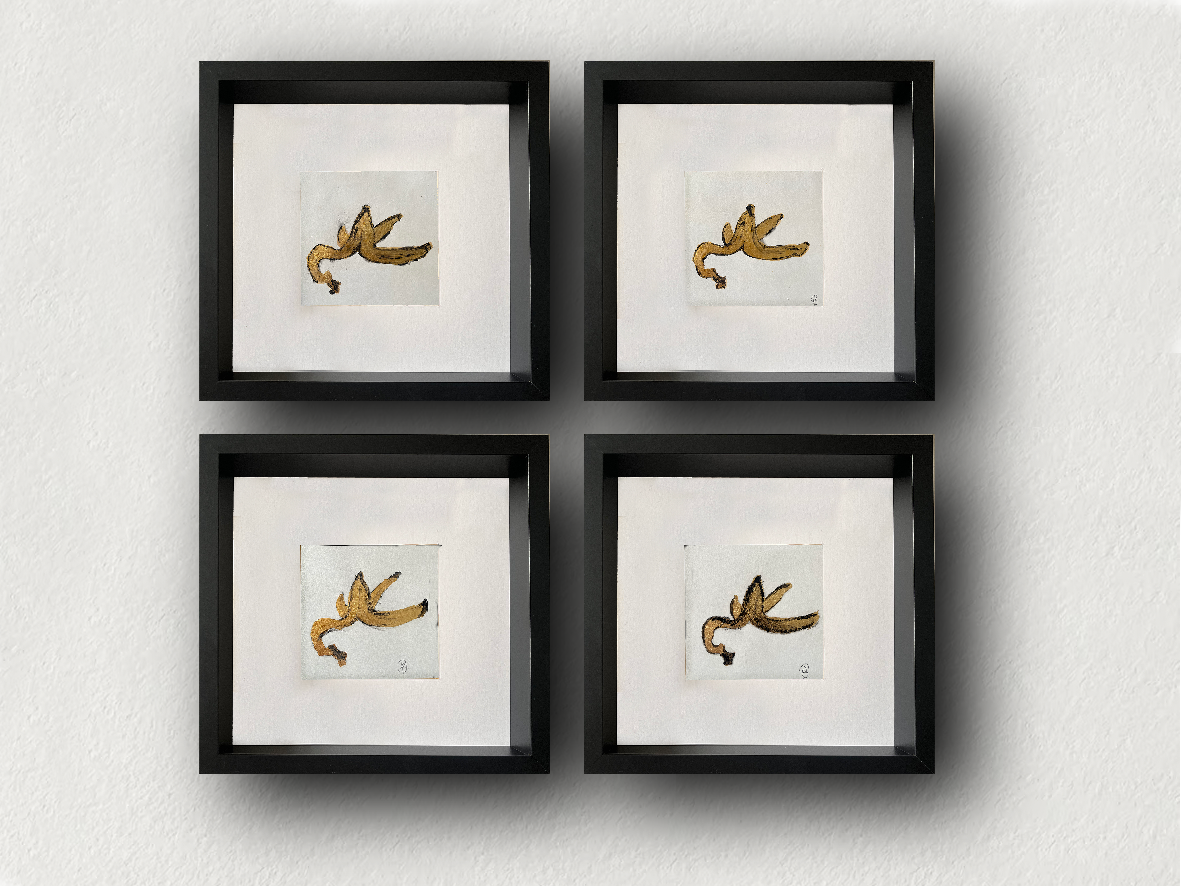
Comedy Classic - Quadriptych, Edition of 1 - £400
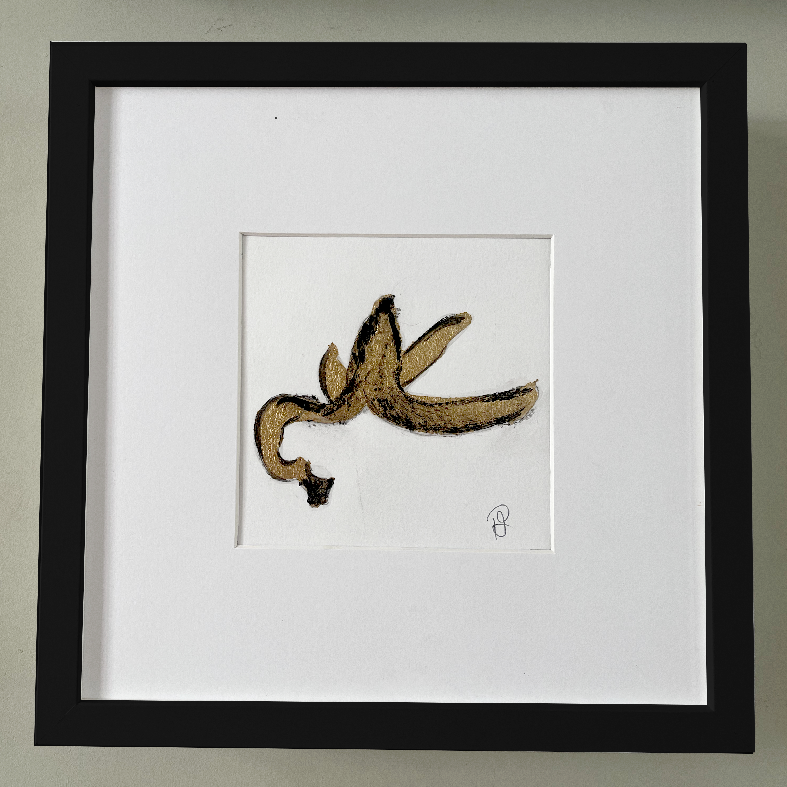
Comedy Classic - Single Study, Edition of 9 - £120
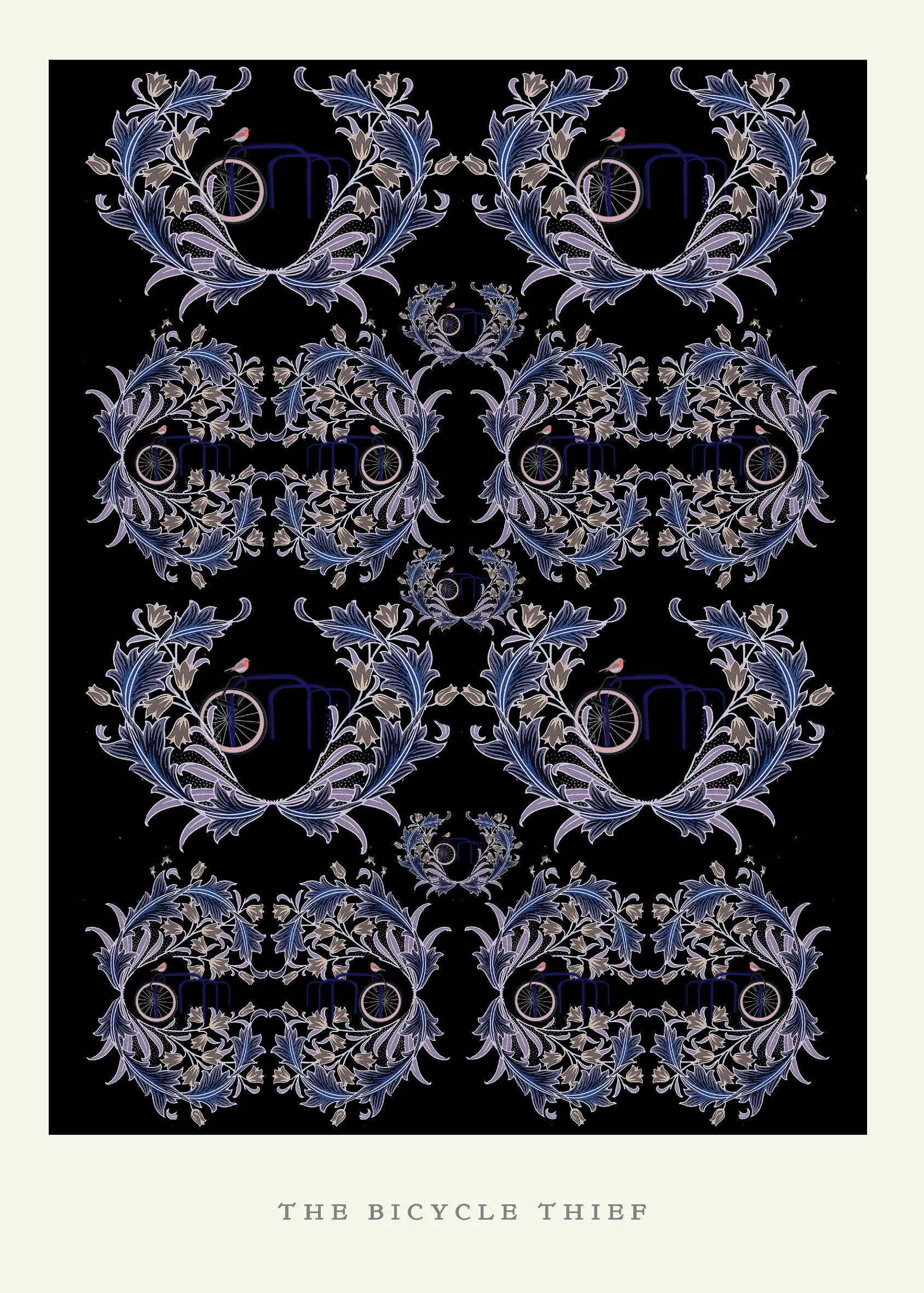
Bike Thief - Edition of 50 - (30 x 40cm) - £120
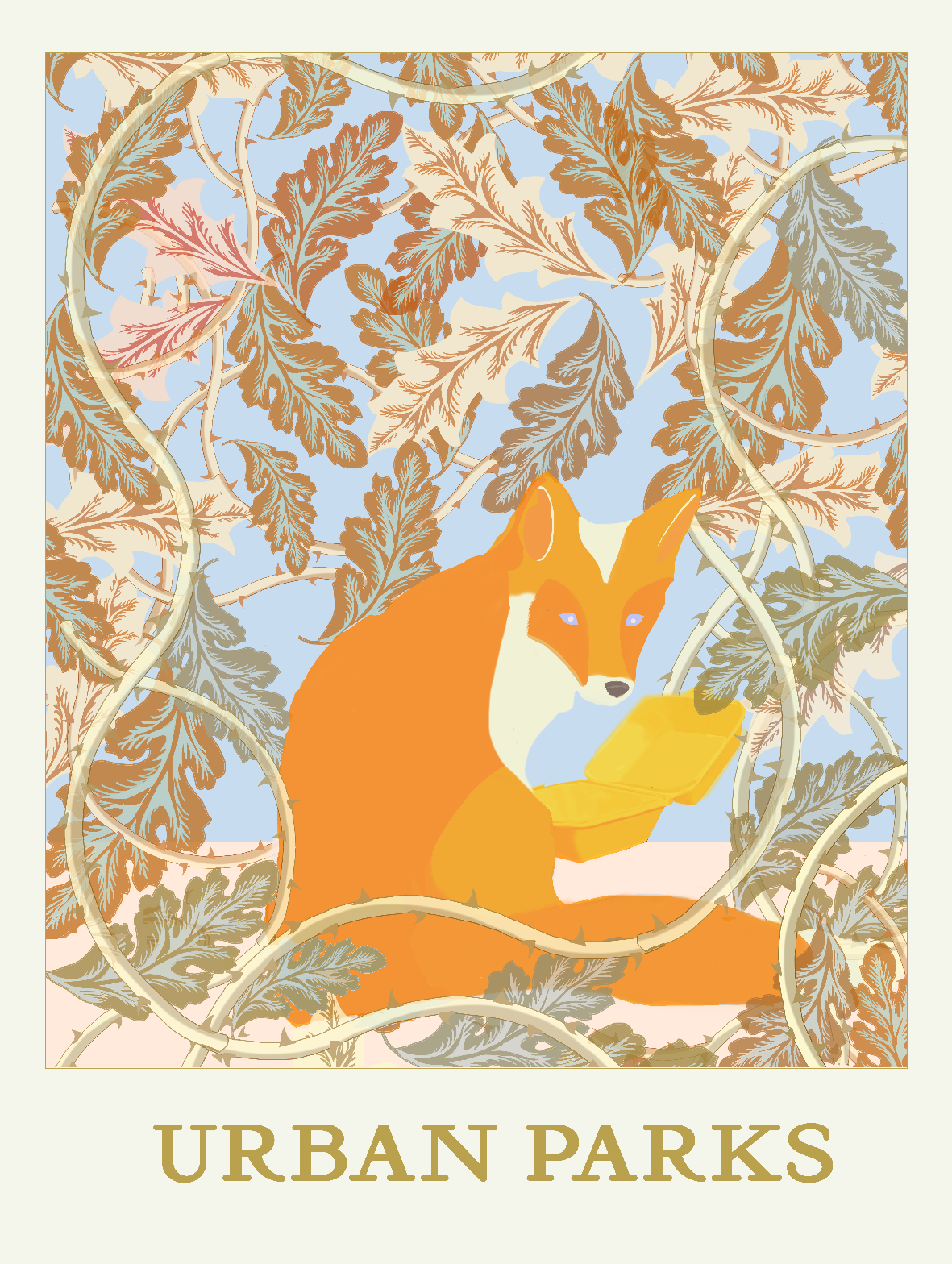
Urban Parks: Fox and a Box - Edition of 50 - (50 x 70cm) - £200
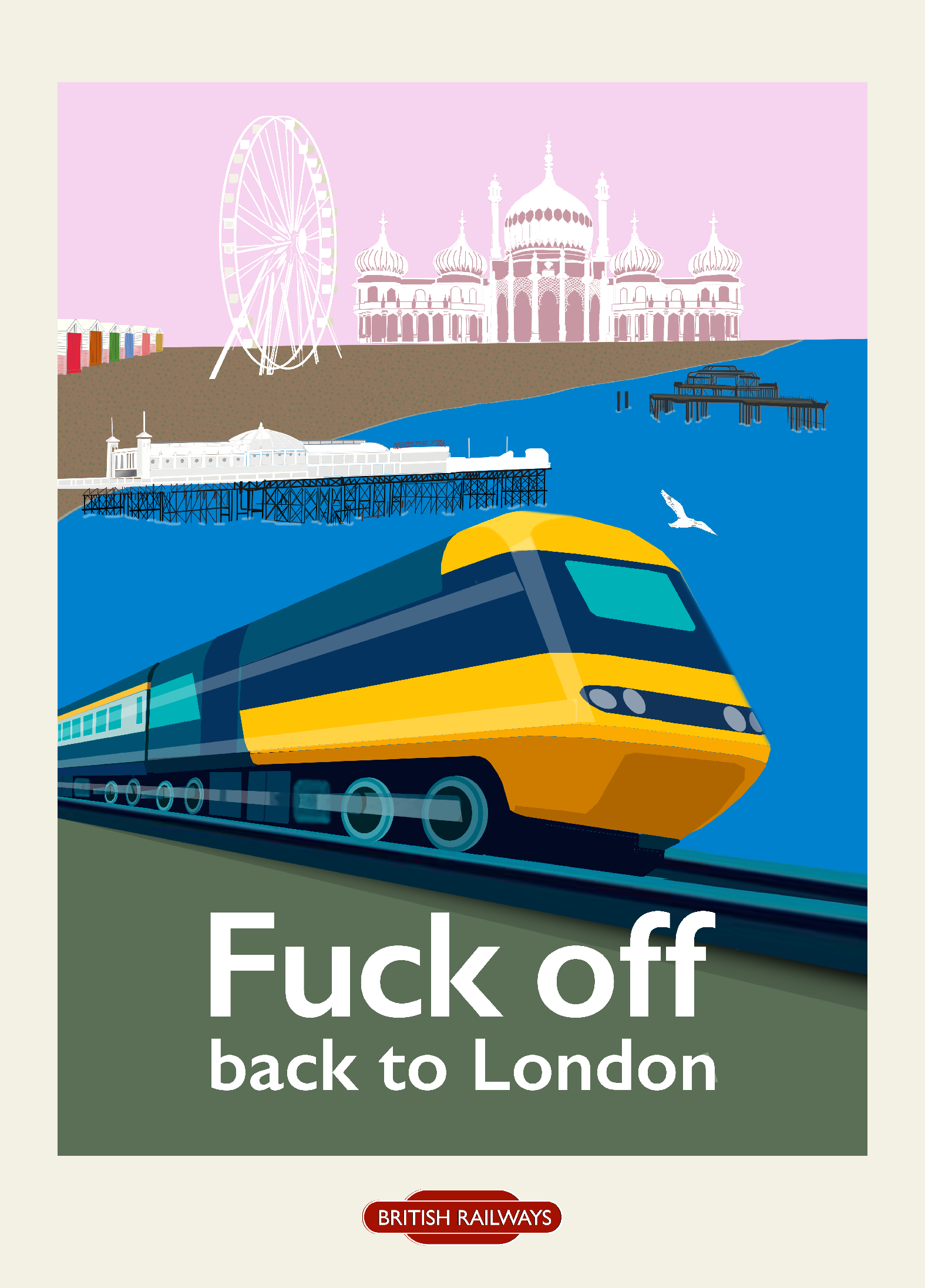
Fuck off back to London - Edition of 50 - (50 x 70cm) - £200
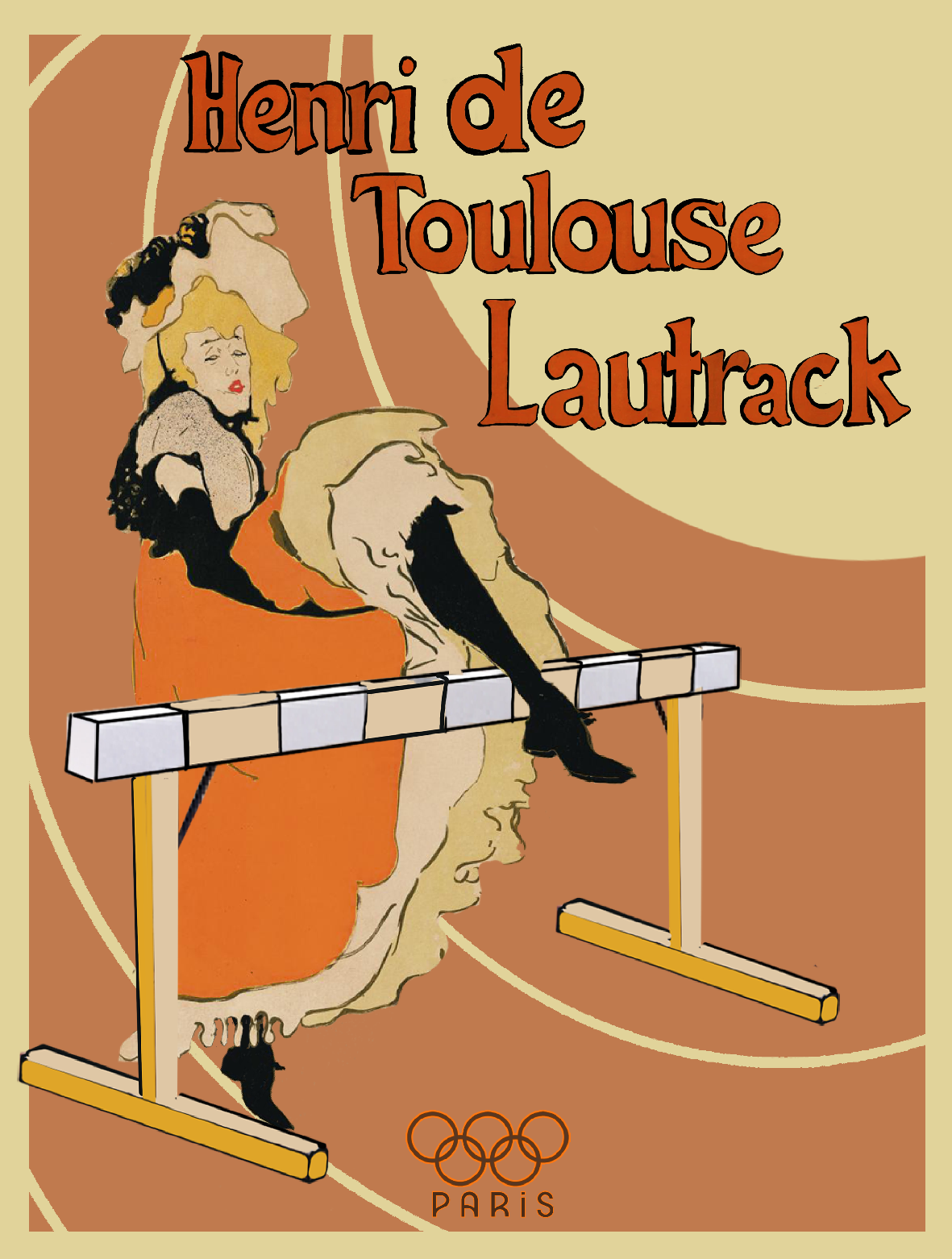
Can Can Chase - Edition of 50 - (30 x 40cm) - £120
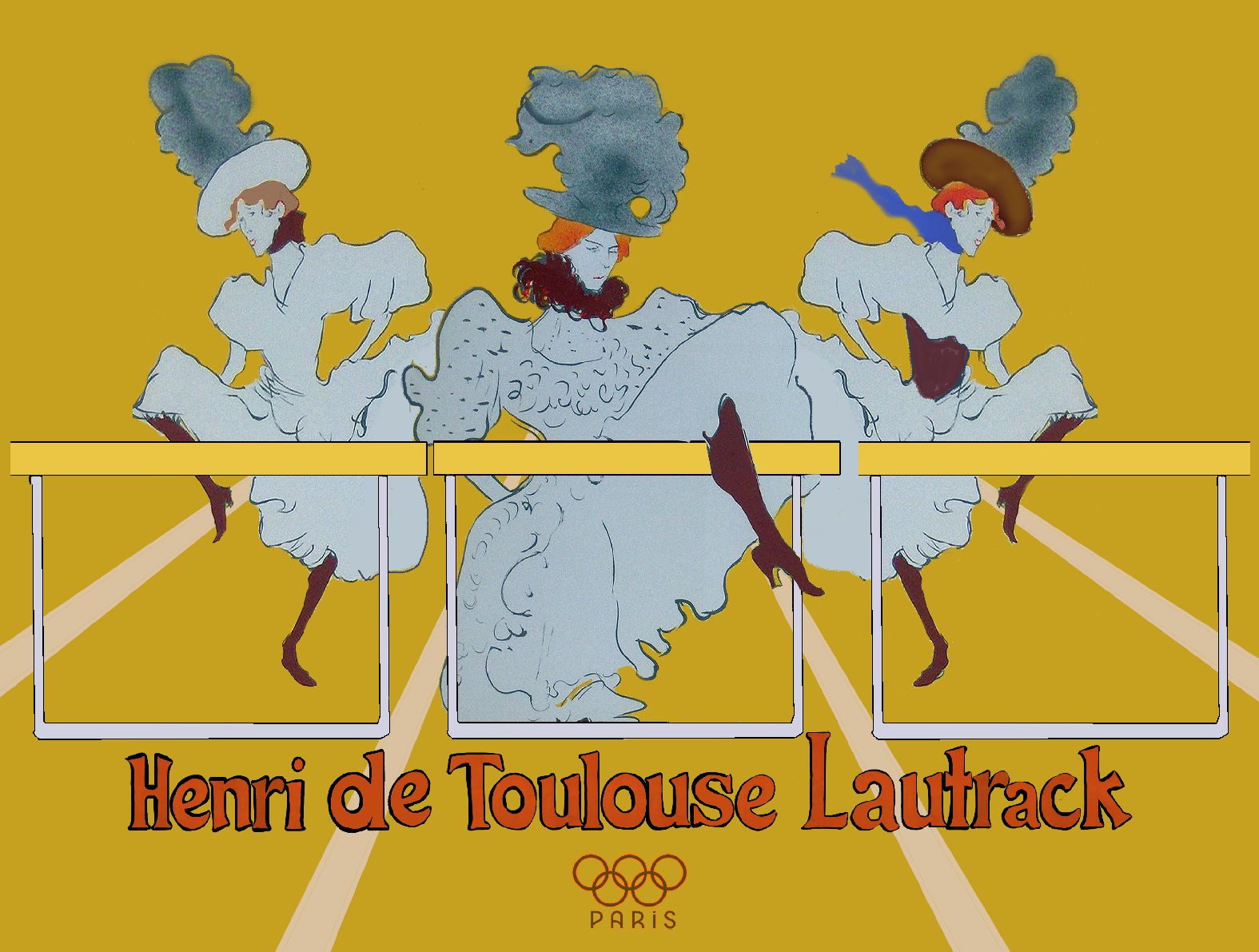
Can Can Race - Edition of 50 - (30 x 40cm) - £120
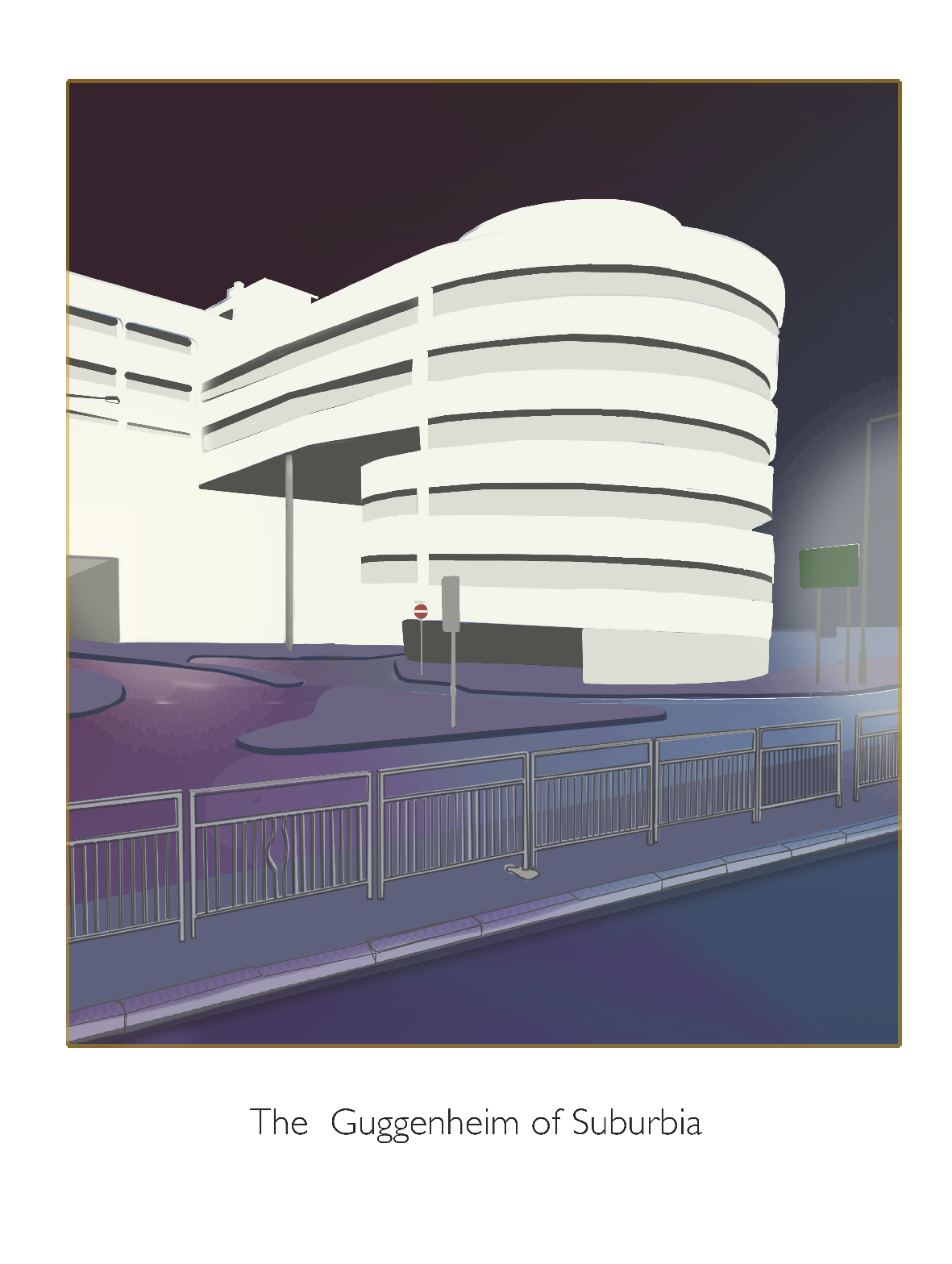
The Guggenheim of Suburbia - Edition of 50 - (30 x 40cm) - £120
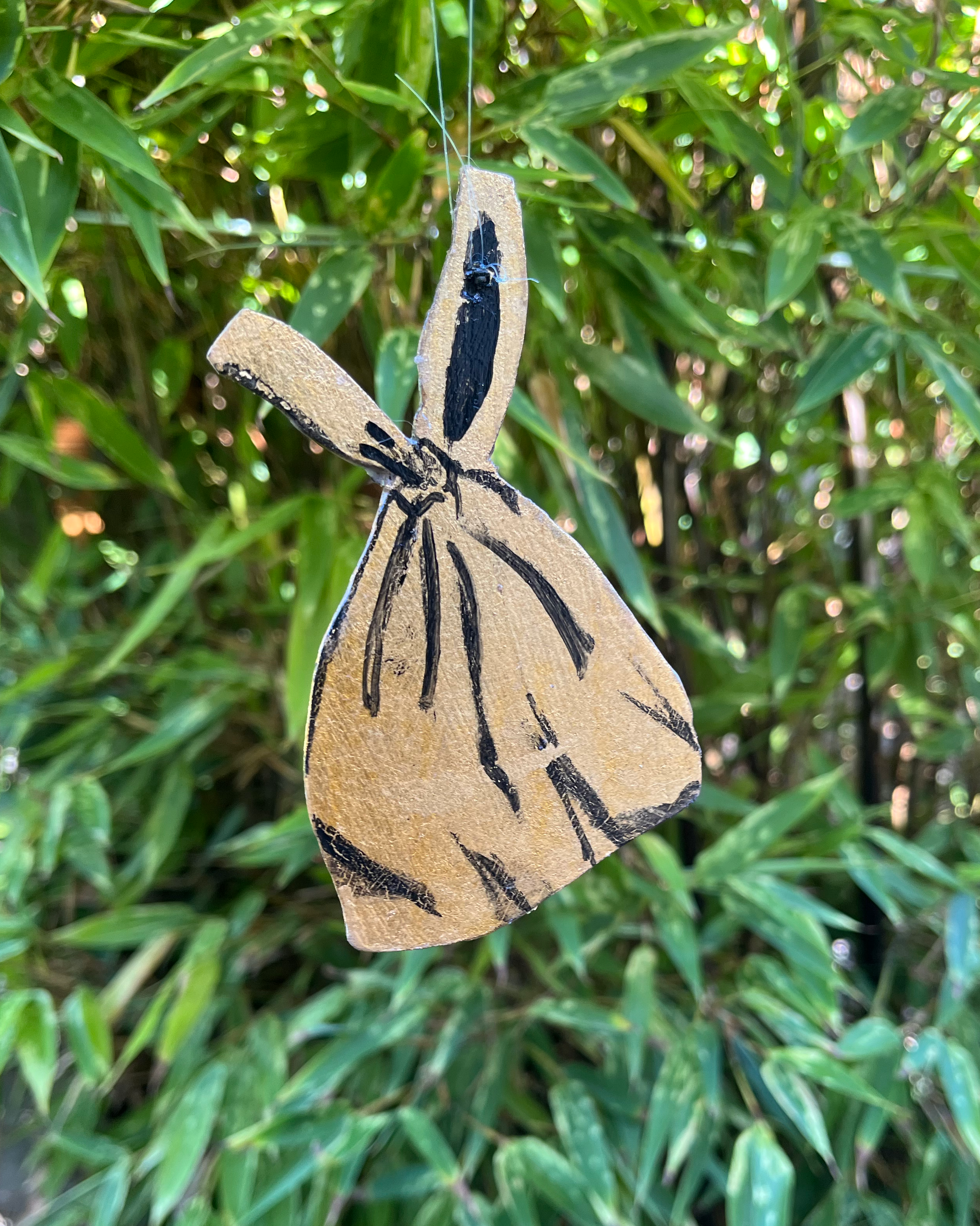
Christmas Decoration - Edition of 14 - £30
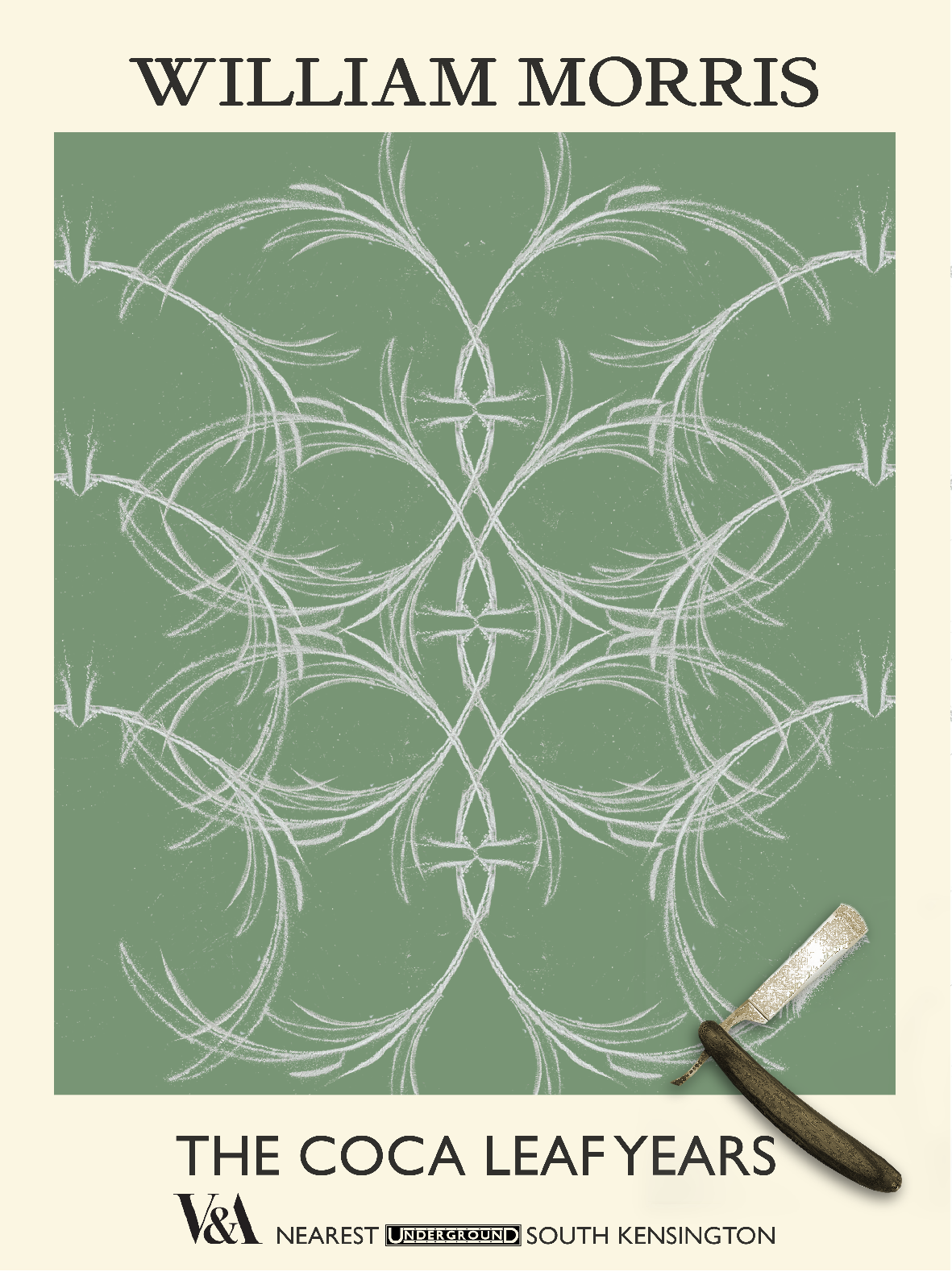
William Morris: The Coca Leaf Years - Edition of 50 - (30 x 40cm) - £120
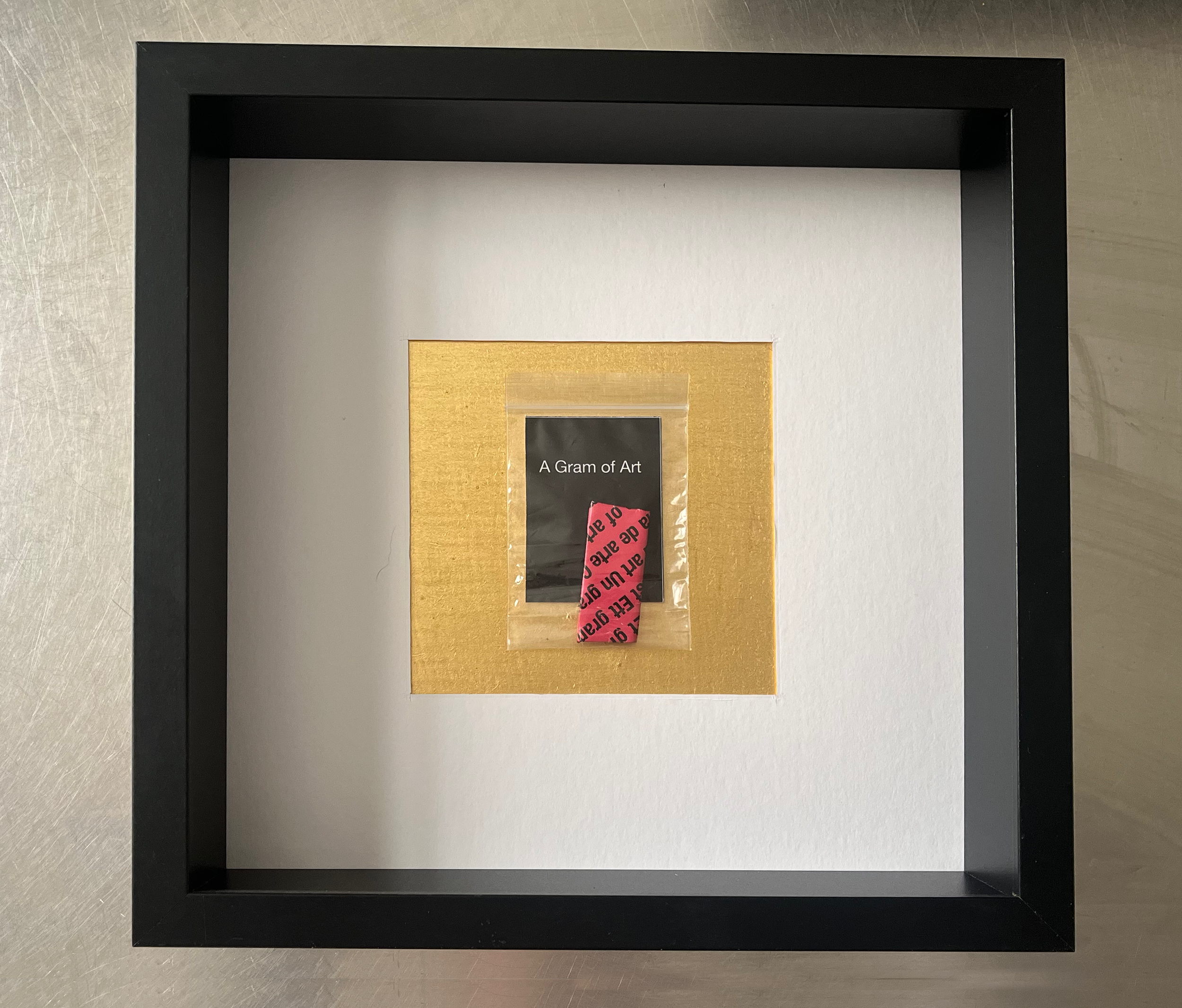
"Gram of Art" - Edition of 100 - (28 x 28cm) - £120
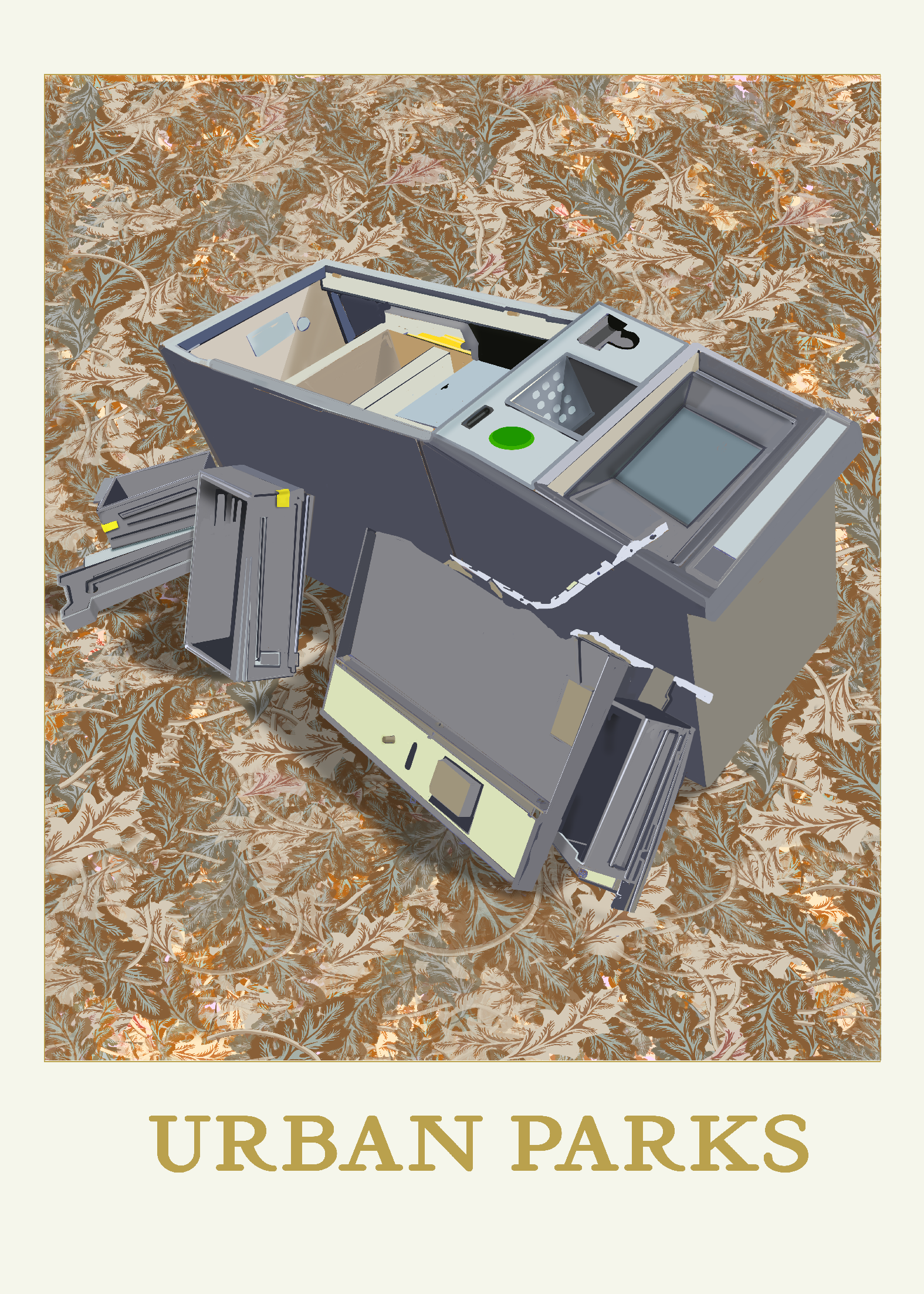
Urban Parks: Heist - Edition of 50 - (30 x 40cm) - £120
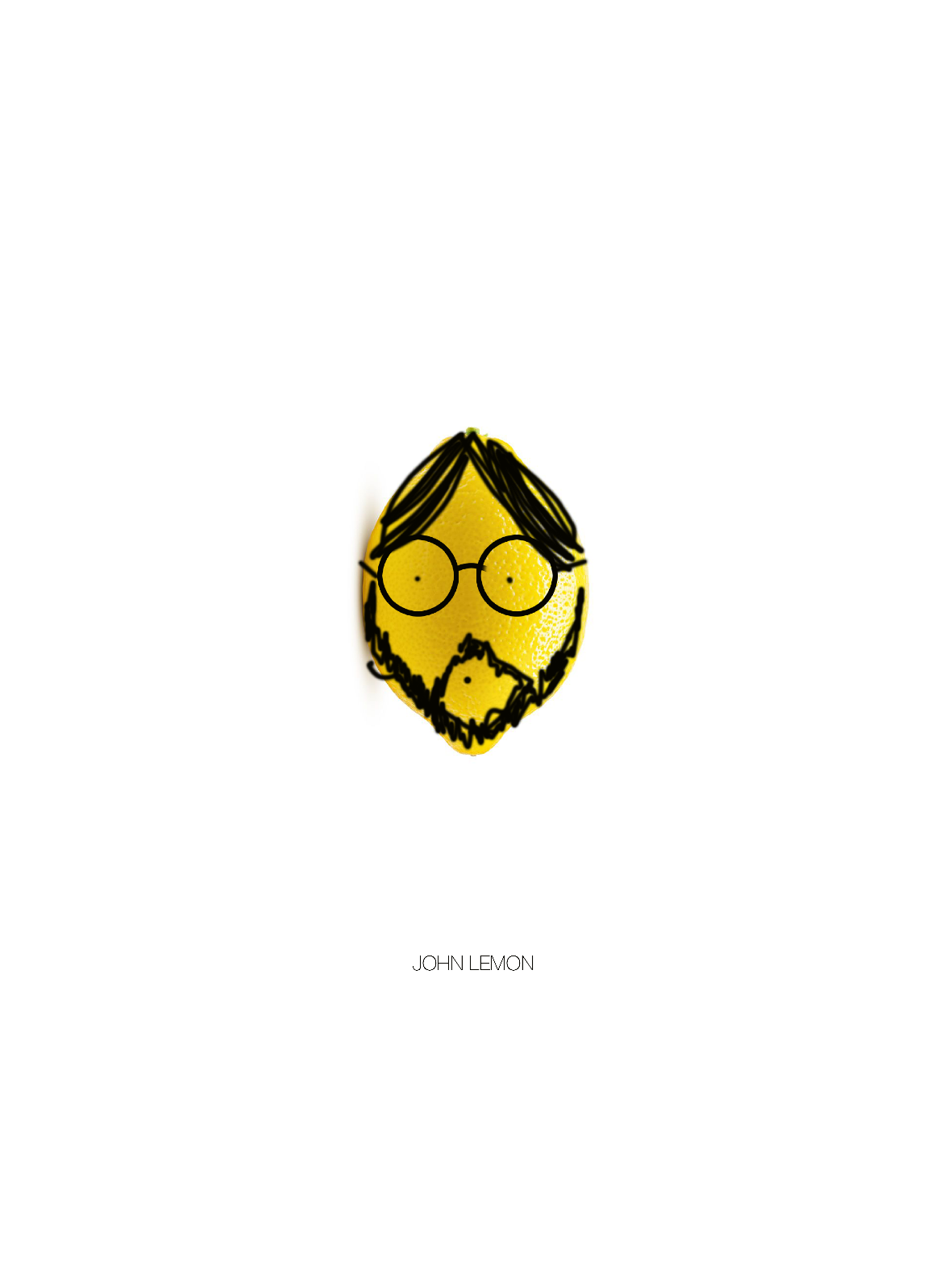
John Lemon - Edition of 50 - (30 x 40cm) - £120
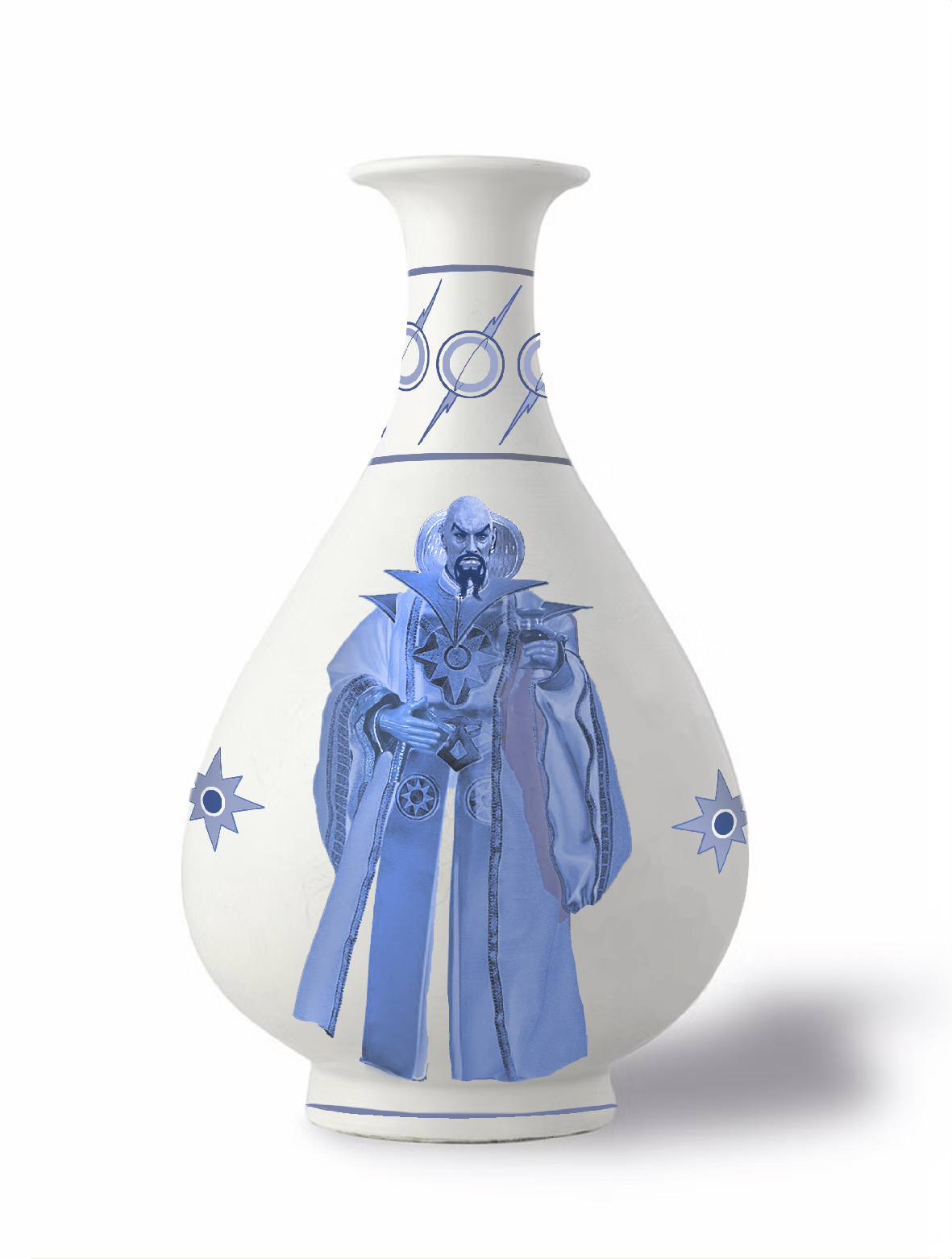
Ming Vase - Edition of 50 - (30 x 40cm) - £120
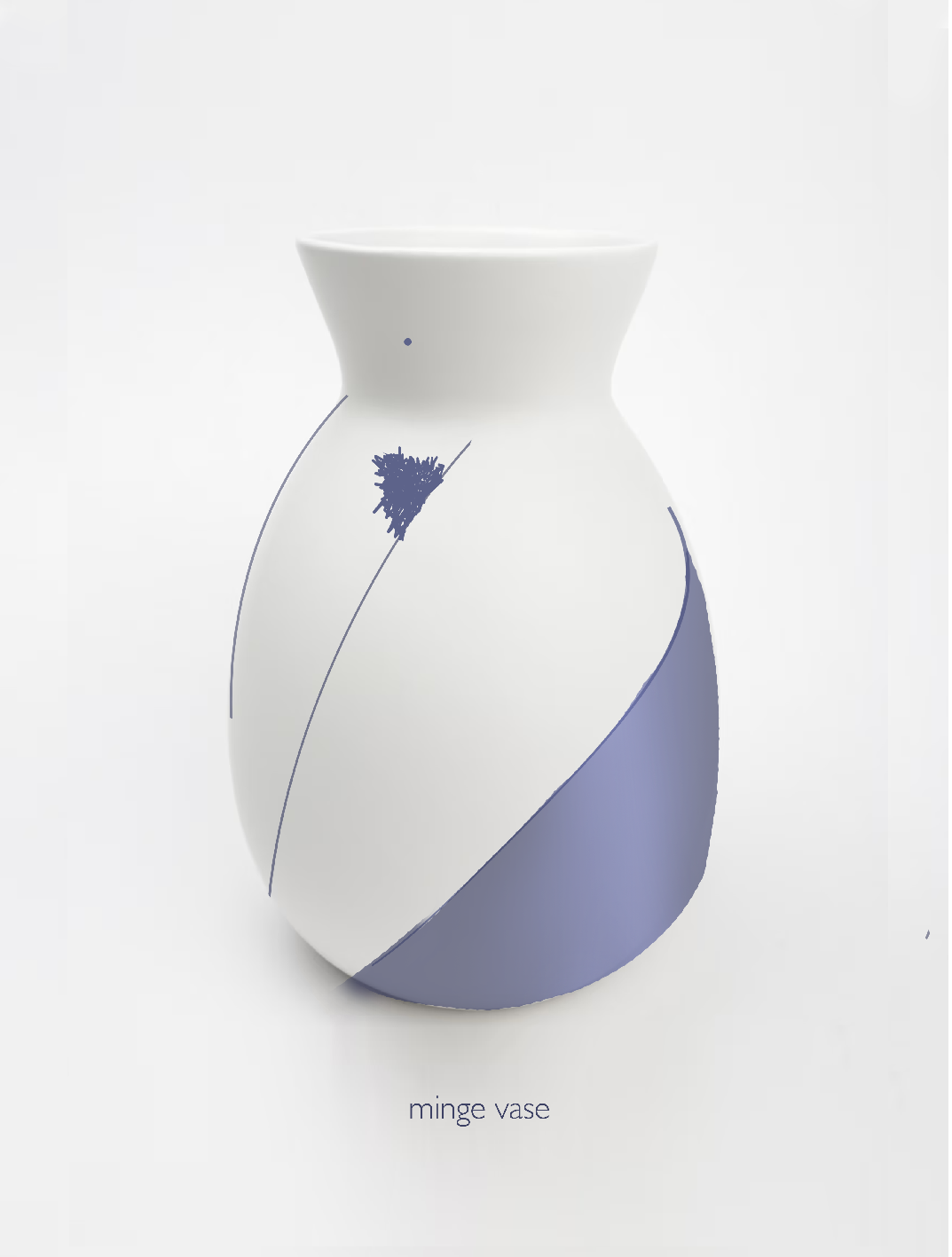
Minge Vase - Edition of 50 - (30 x 40cm) - £120
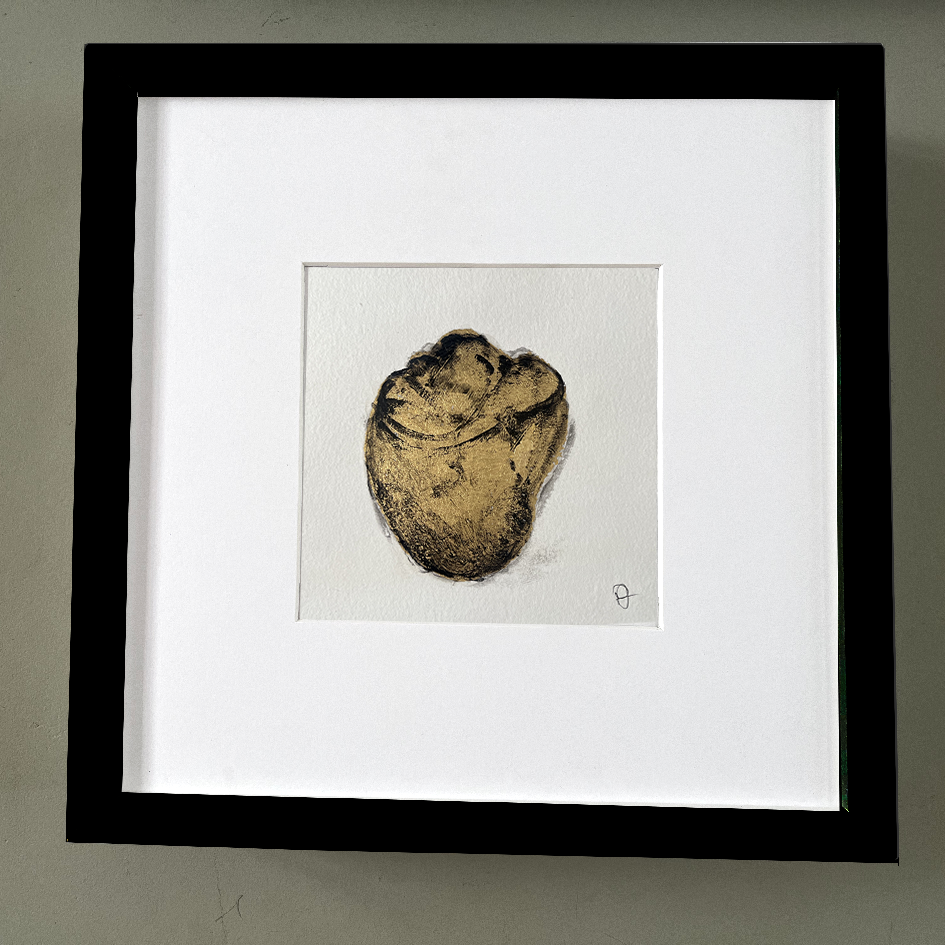
Gold Toooth - Edition of 6: Gold Leaf and Acrylic Paint on Fabriano Paper - (28 x28cm) - £120
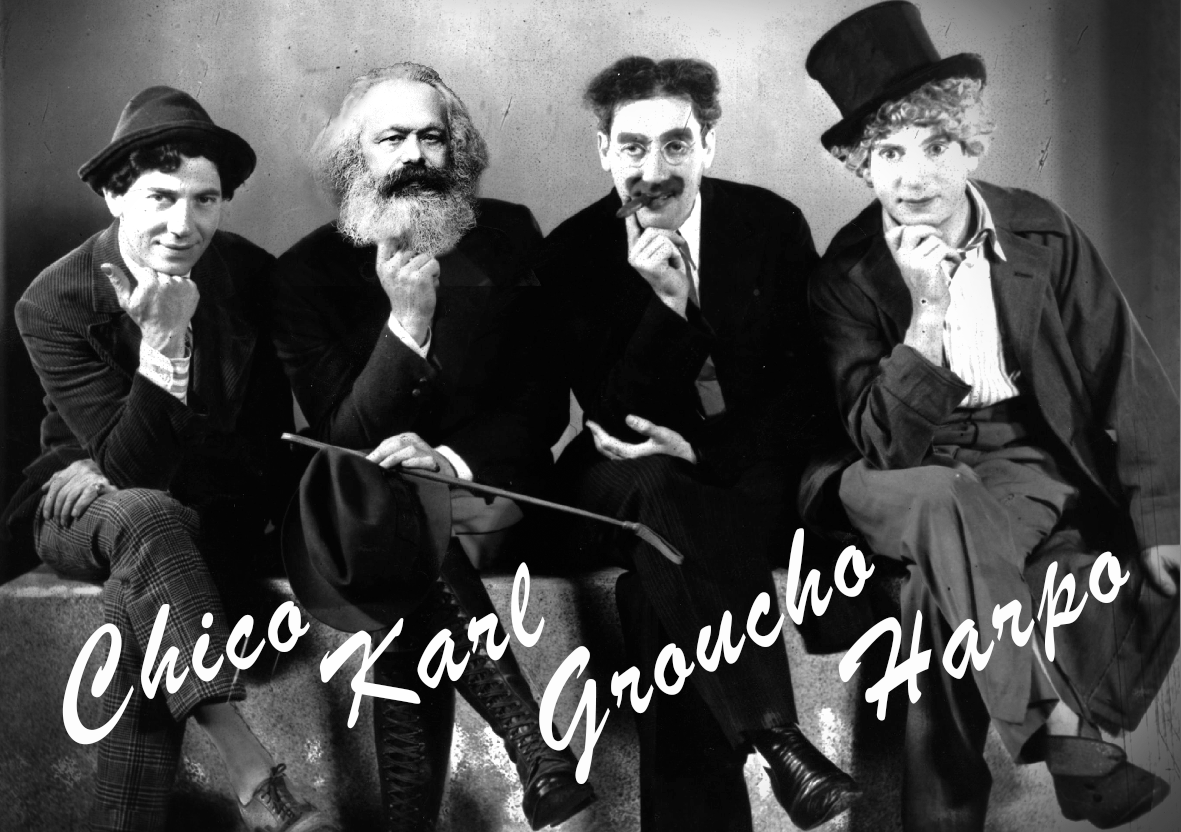
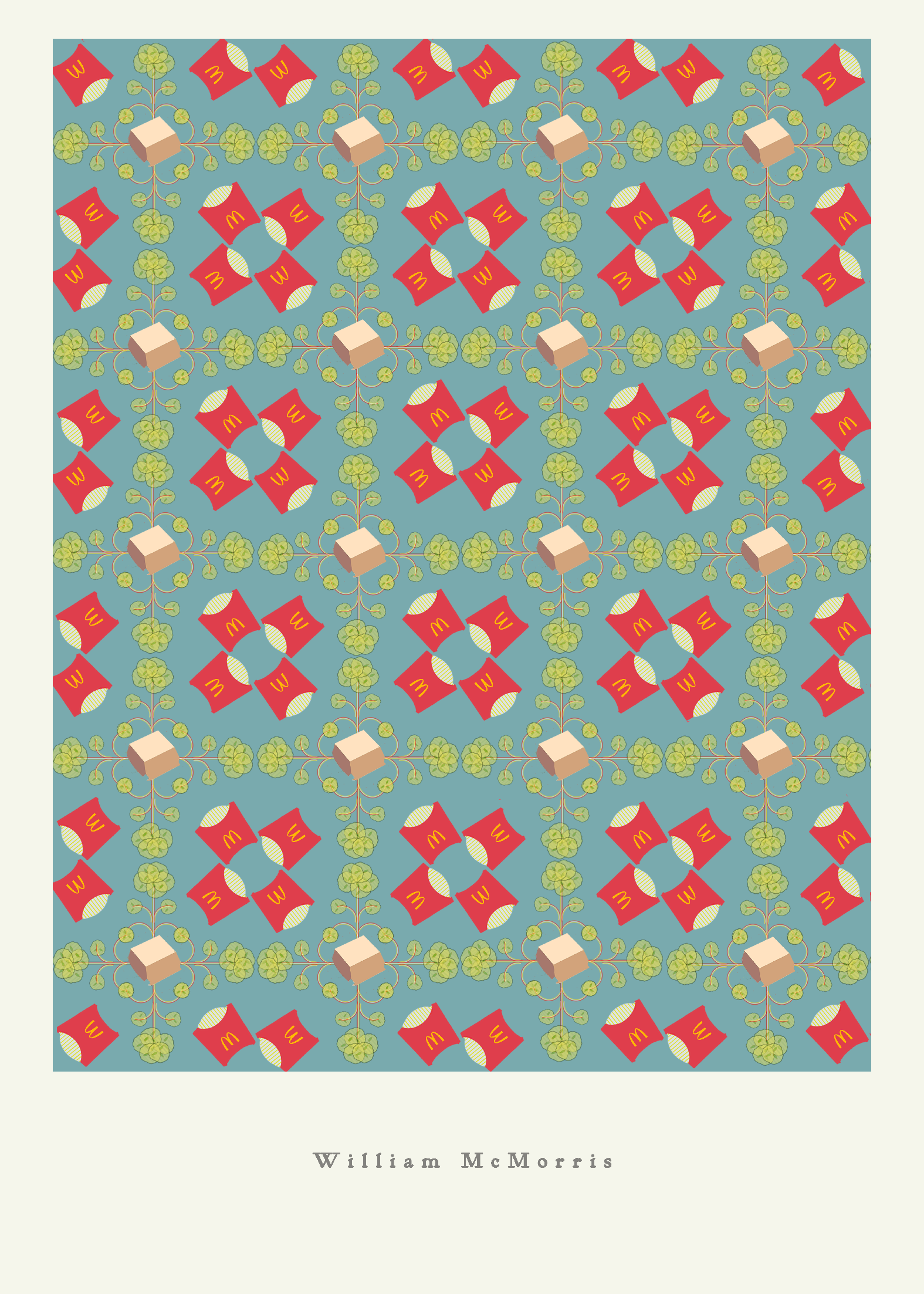
William McMorris - Edition of 50 - (30 x 40cm) - £120
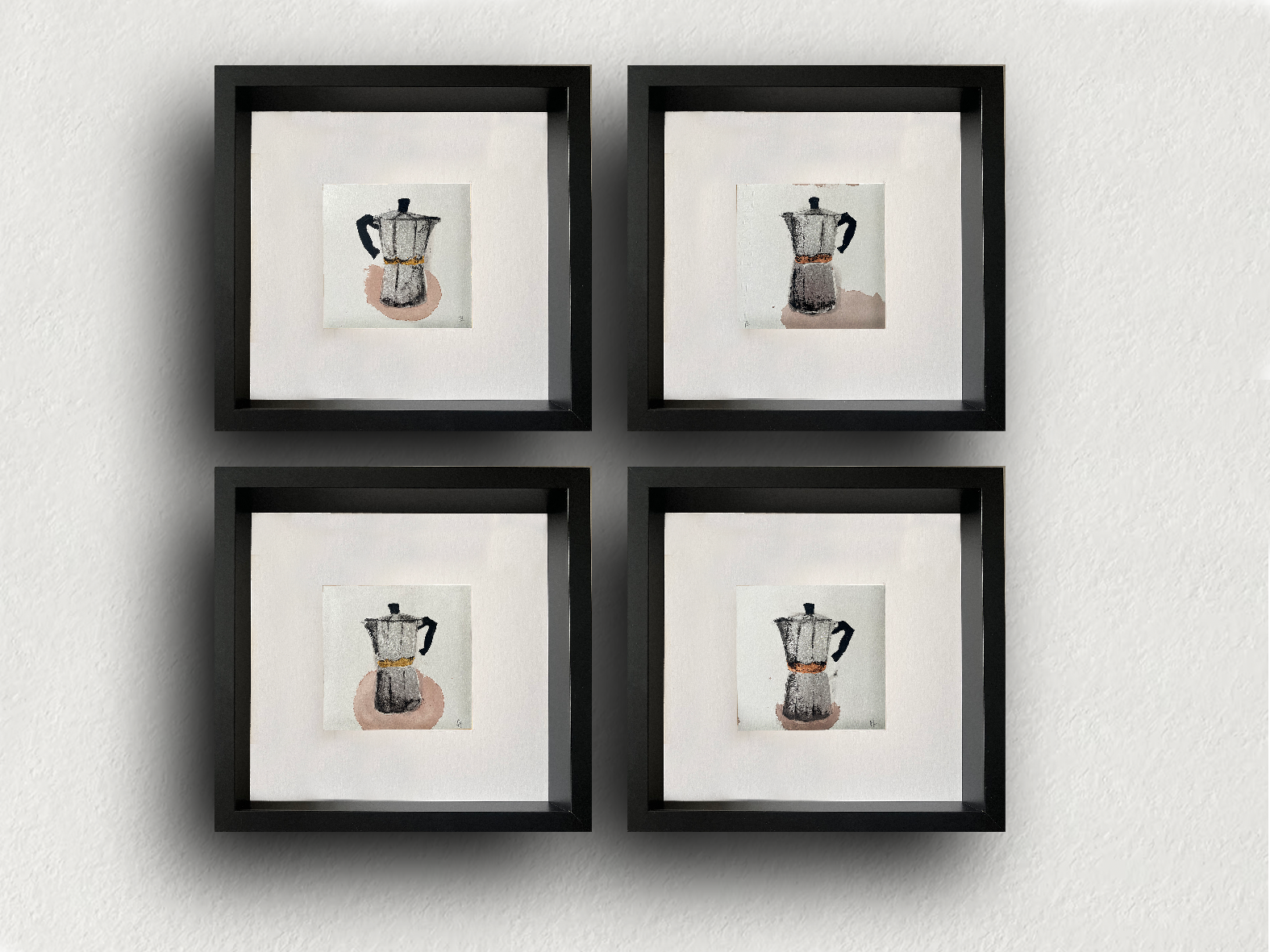
Casa di Maxwell - Quadriptych, Edition of 1 - £400
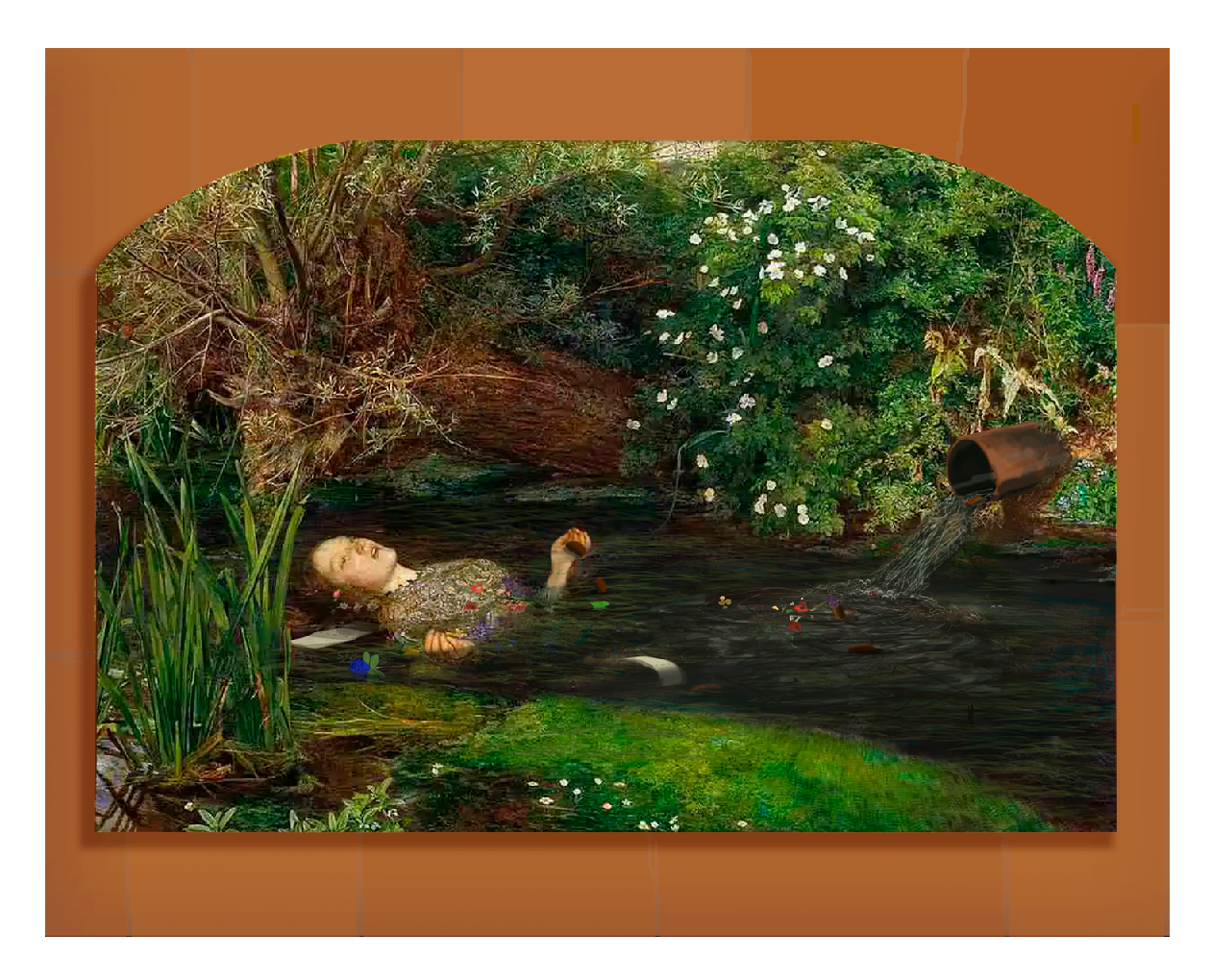
Ophelia: Sewage - Edition of 50: Metal Leaf mount, digital print - (30 x 40cm) - £150
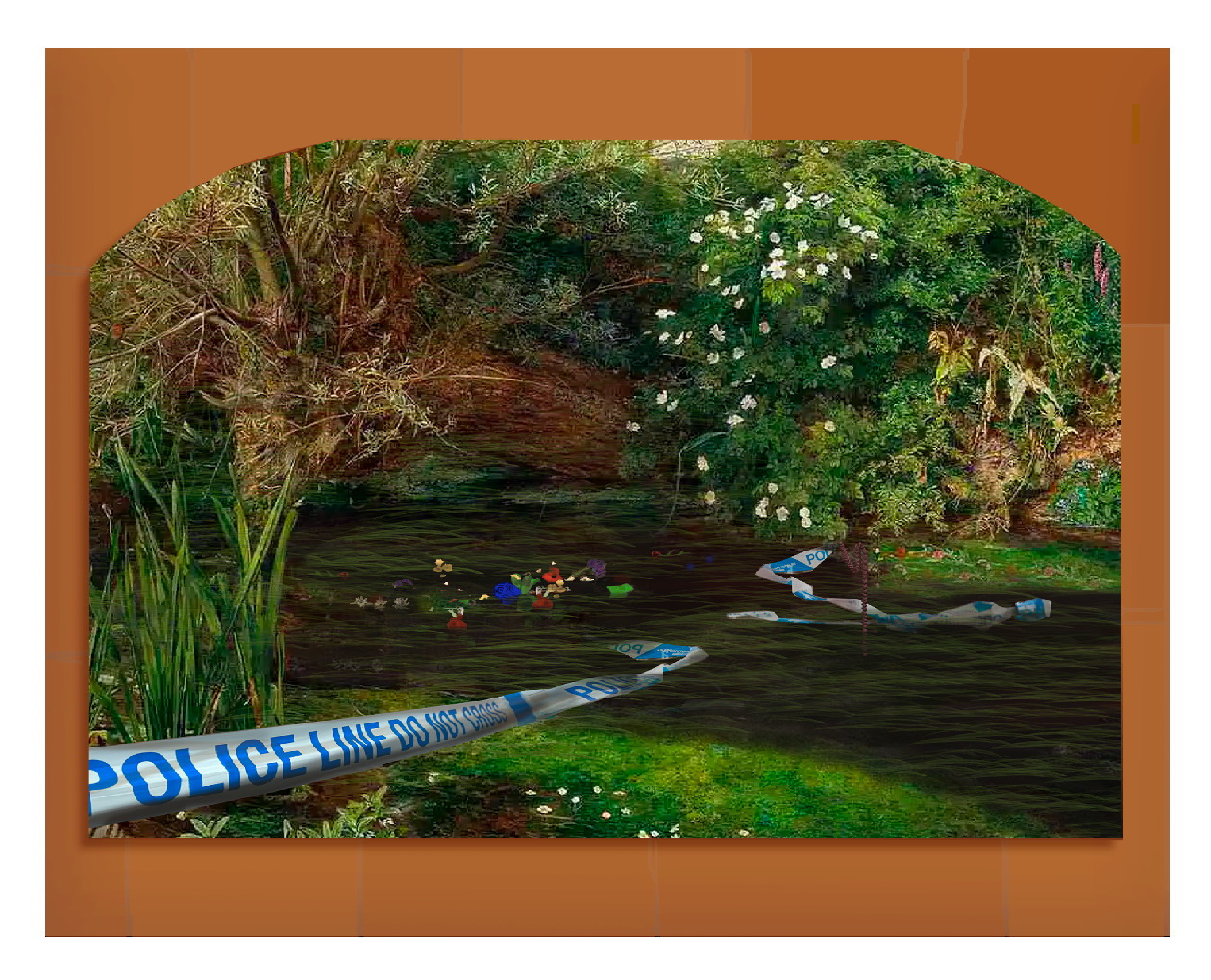
Ophelia: Tape - Edition of 50: Metal Leaf mount, digital print - (30 x 40cm) - £150
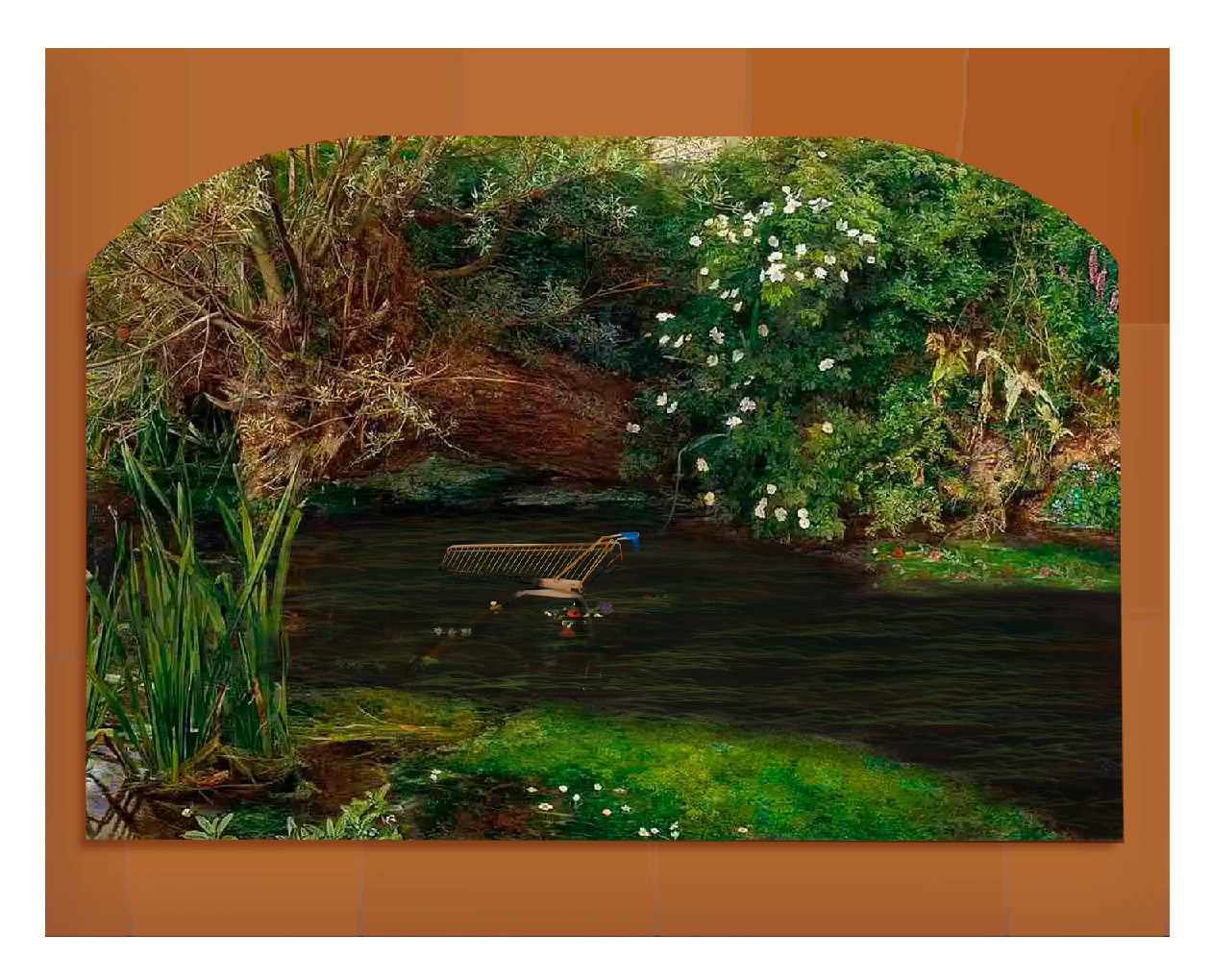
Ophelia: Trolly - Edition of 50: Metal Leaf mount, digital print - (30 x 40cm) - £150
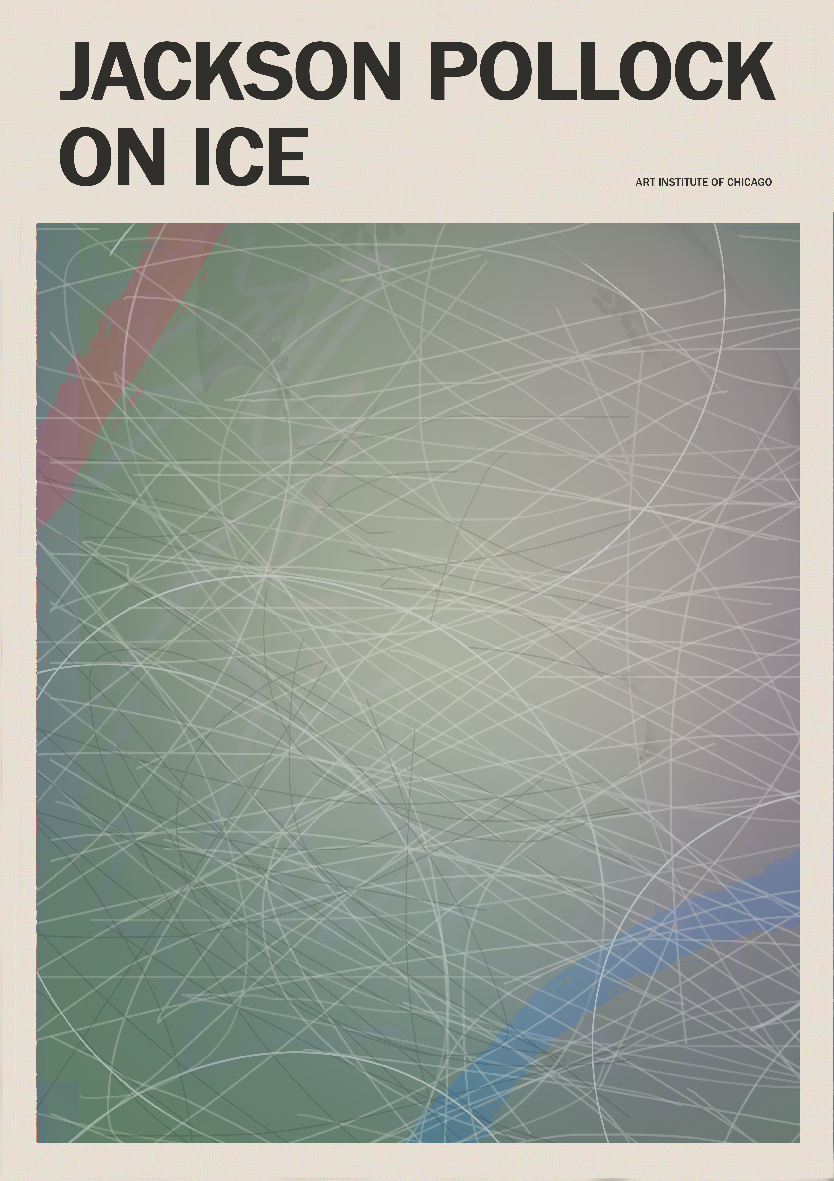
Jackson Pollock on Ice - Edition of 50 - (30 x 40cm) - £120
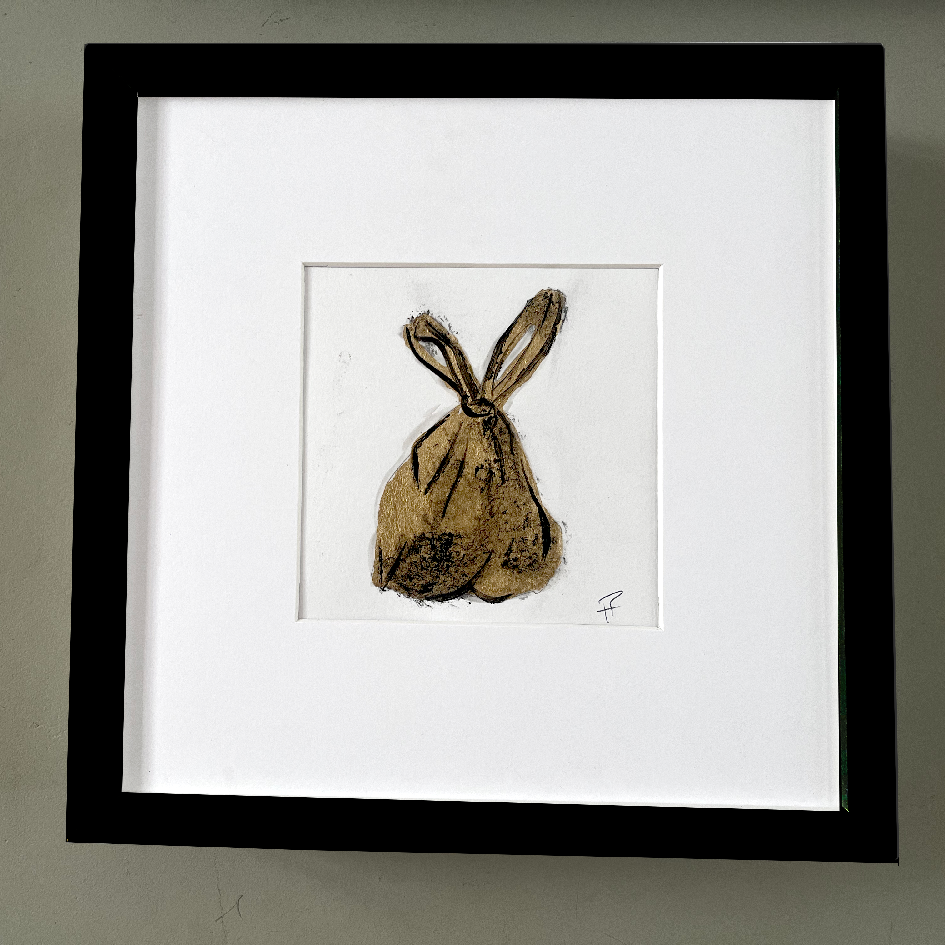
Poo Bag - Edition of 9: Gold Leaf and Acrylic Paint on Fabriano Paper - (28 x28cm) - £120
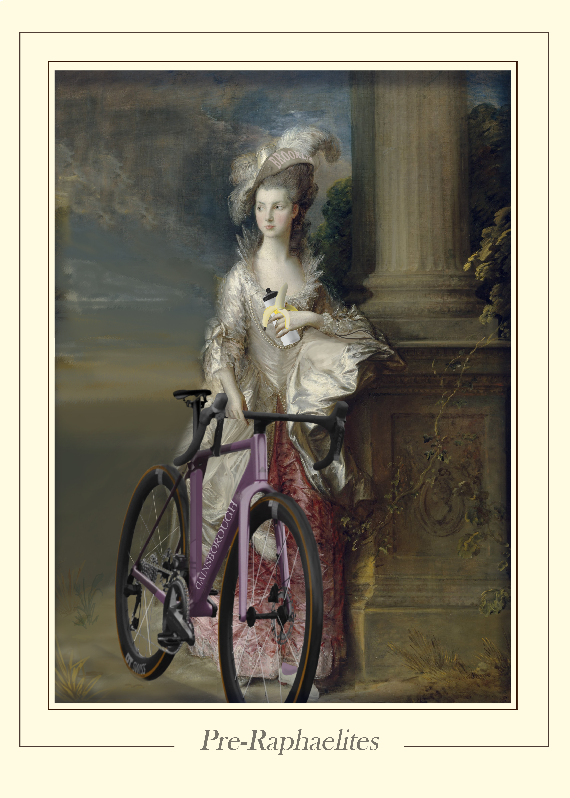
Pre Rapha Woman - Edition of 50 - (21 x 30cm) - £100
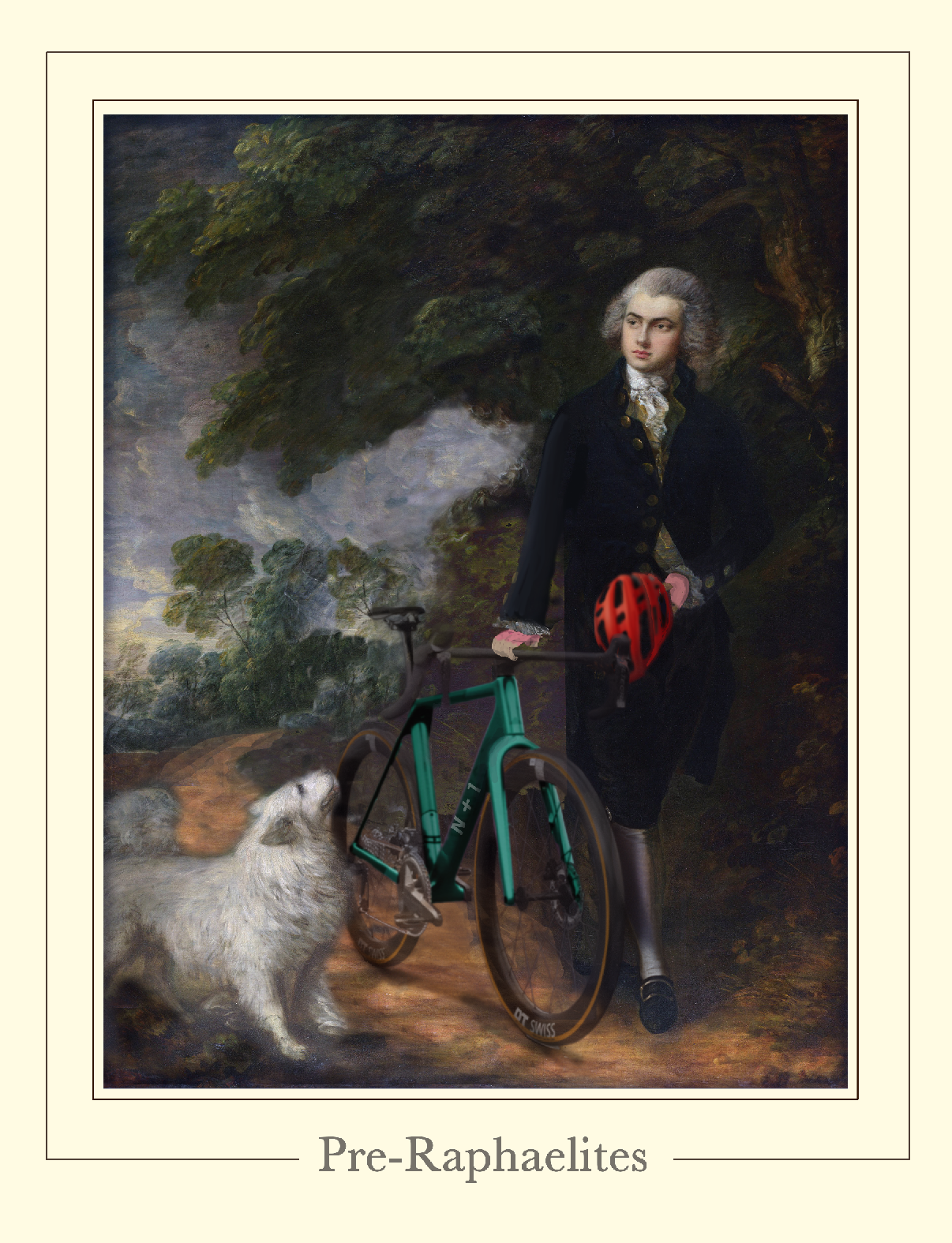
Pre Rapha Man - Edition of 50 - (21 x 30cm) - £100
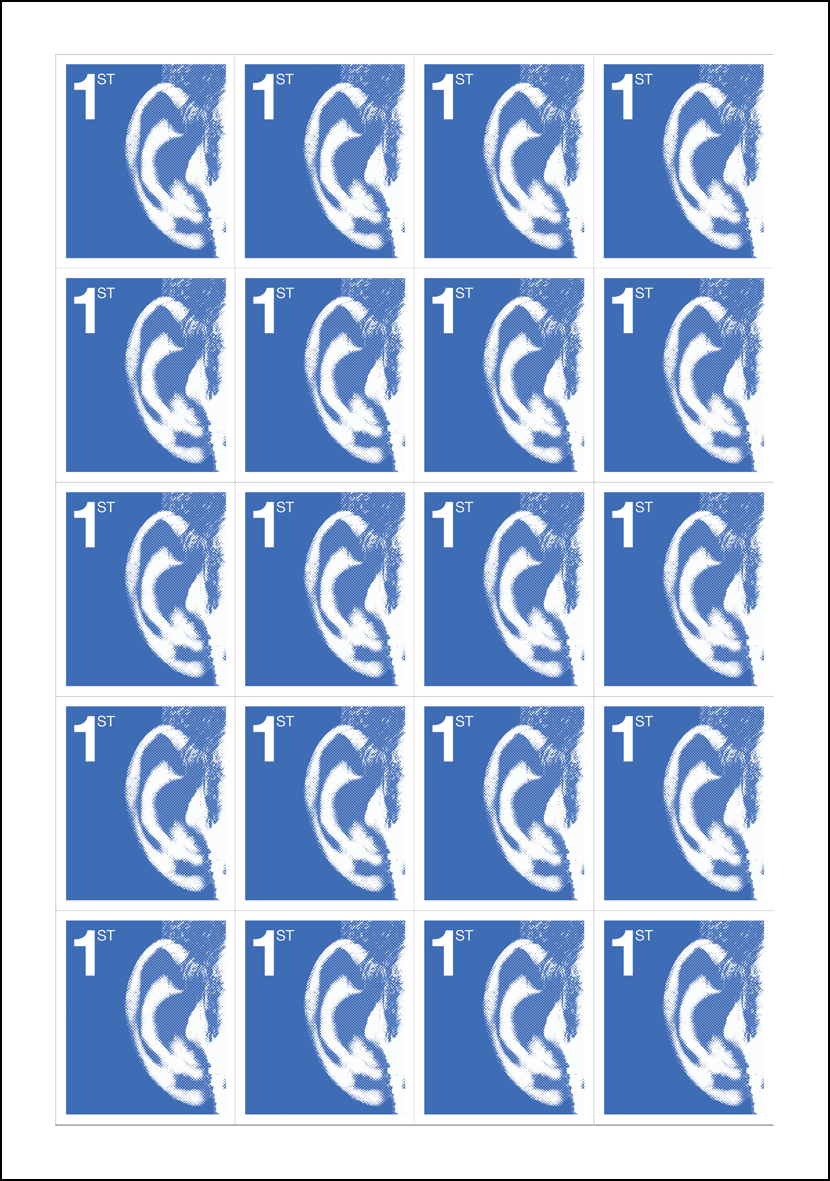
Royal Stamp Blue - Edition of 50 - (21 x 30cm) - £100
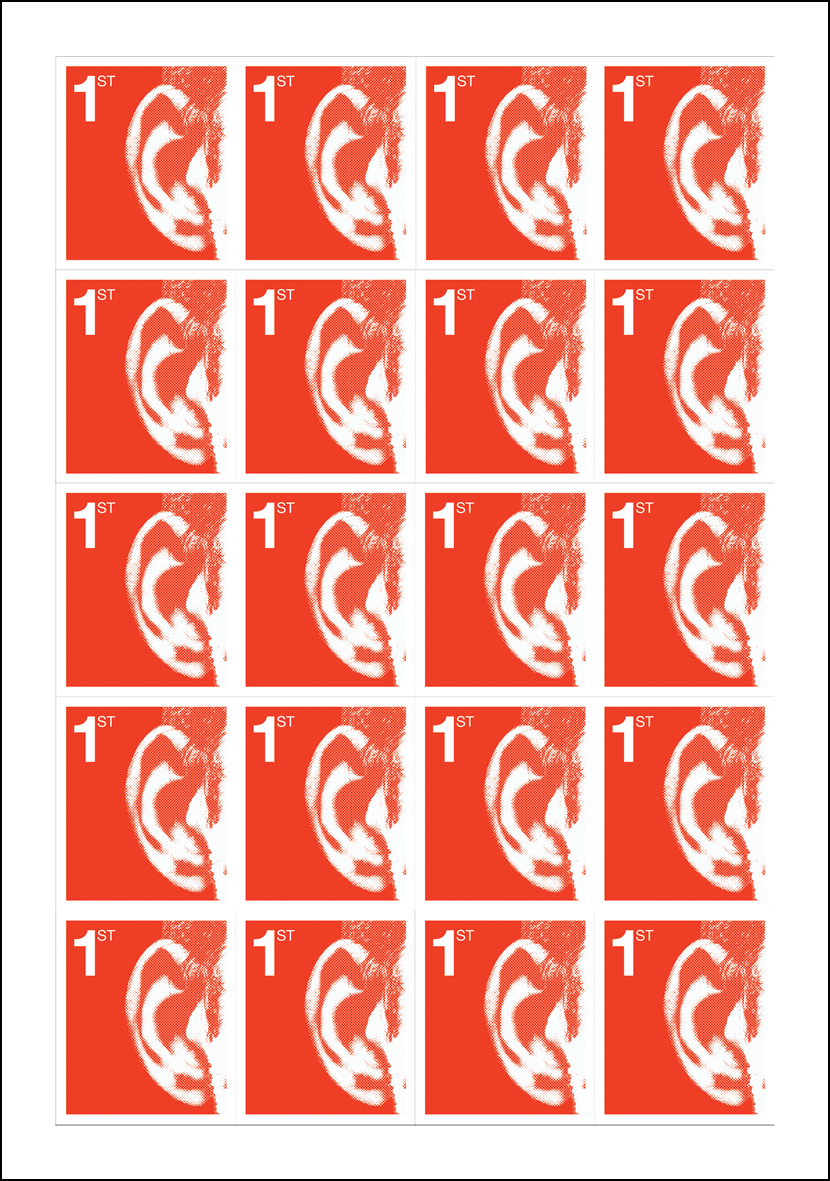
Royal Stamp Red - Edition of 50 - (21 x 30cm) - £100
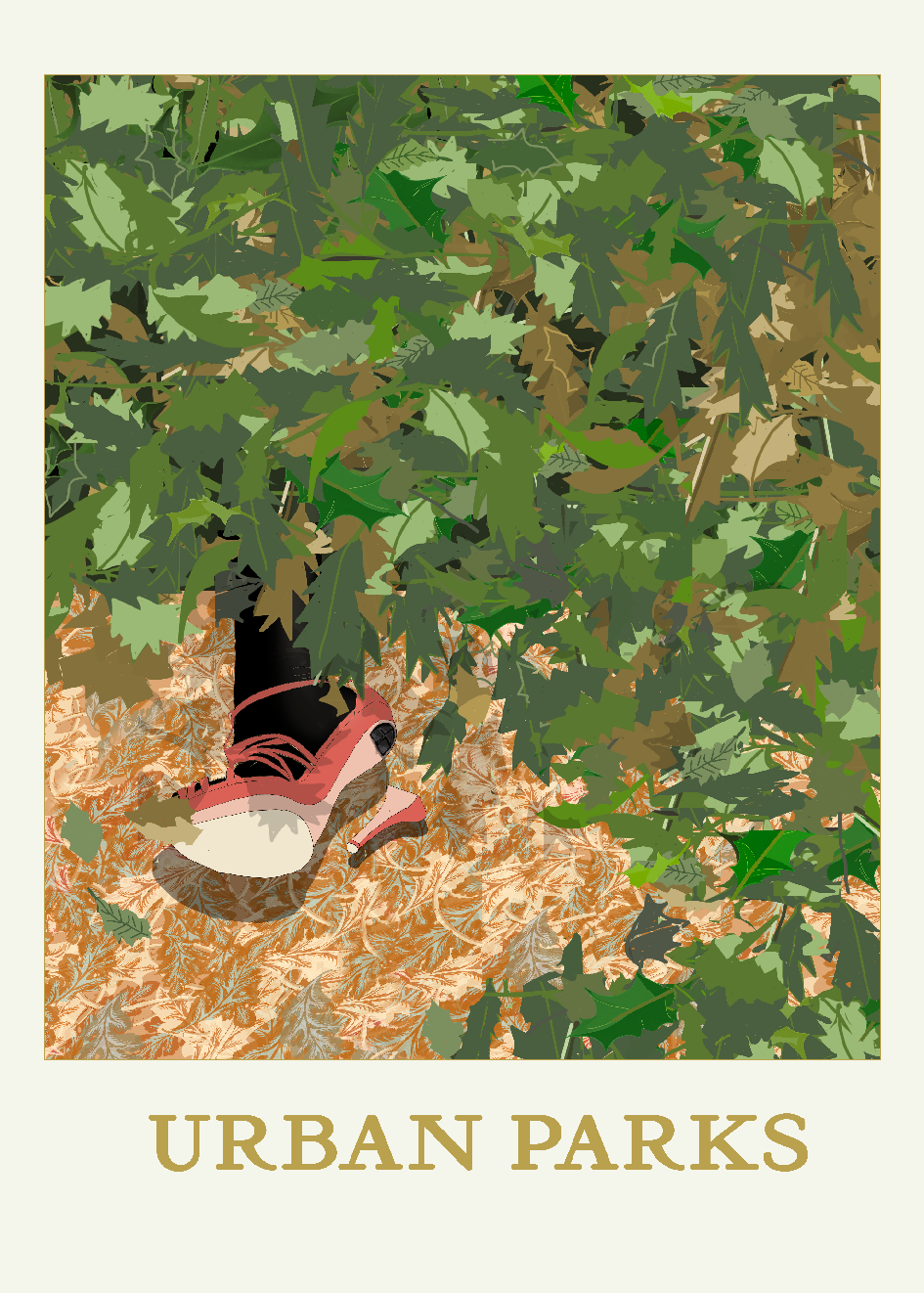
Urban Park: Shoe - Edition of 50 - (50 x 70cm) - £200
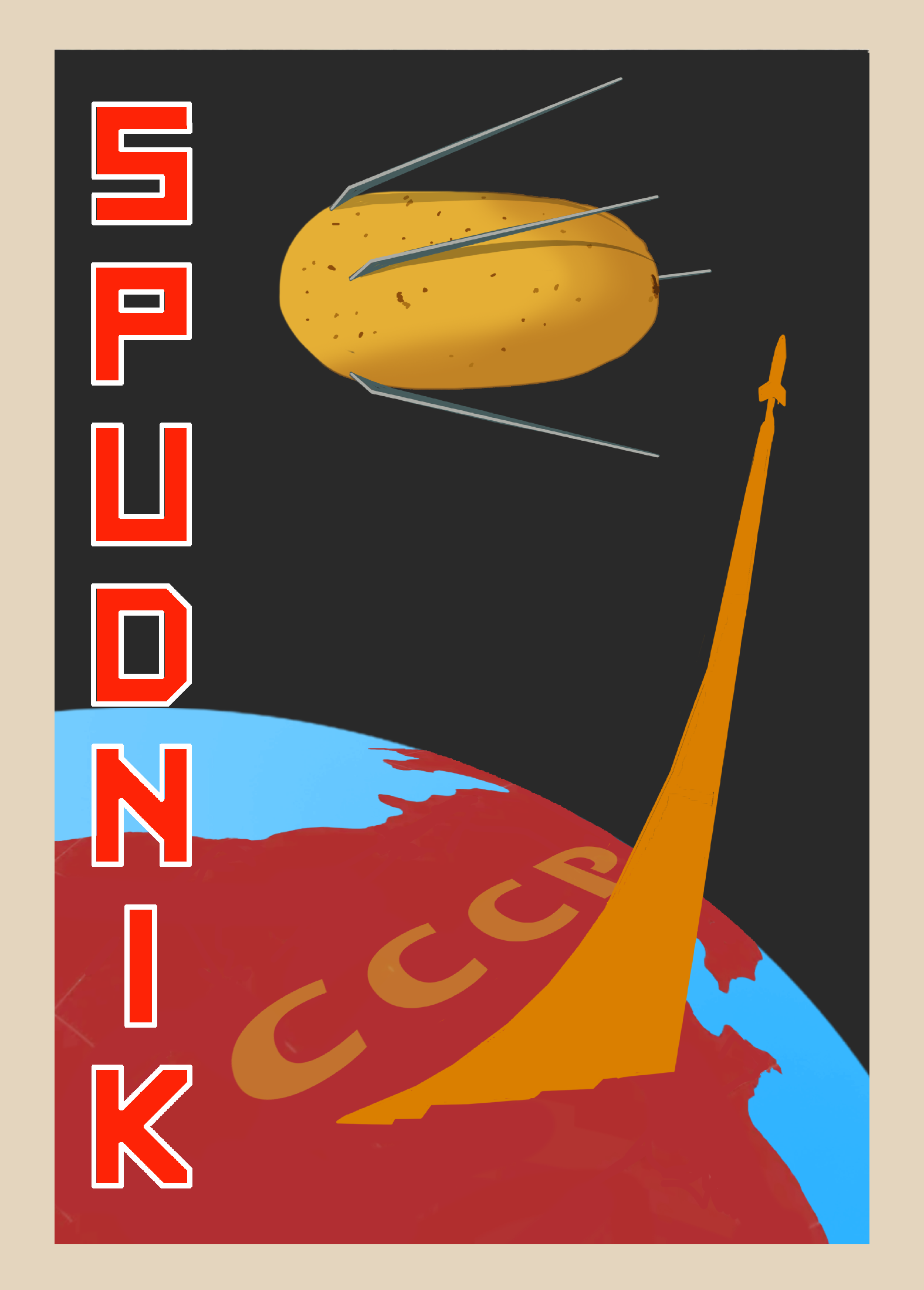
Spudnik - Edition of 50 - (30 x 40cm) - £120
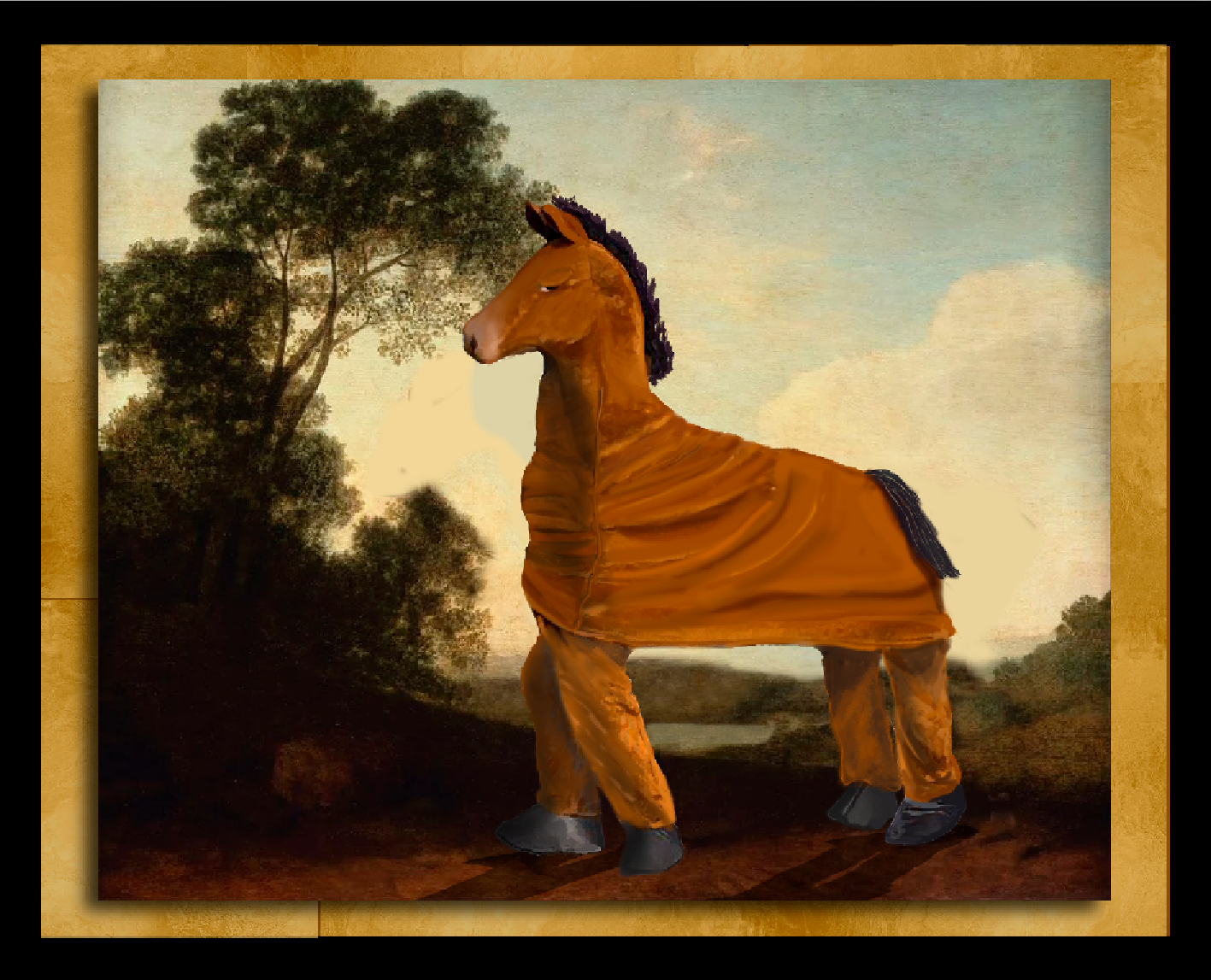
Stubbed - Edition of 50: Metal Leaf mount, digital print - (30 x 40cm) - £150
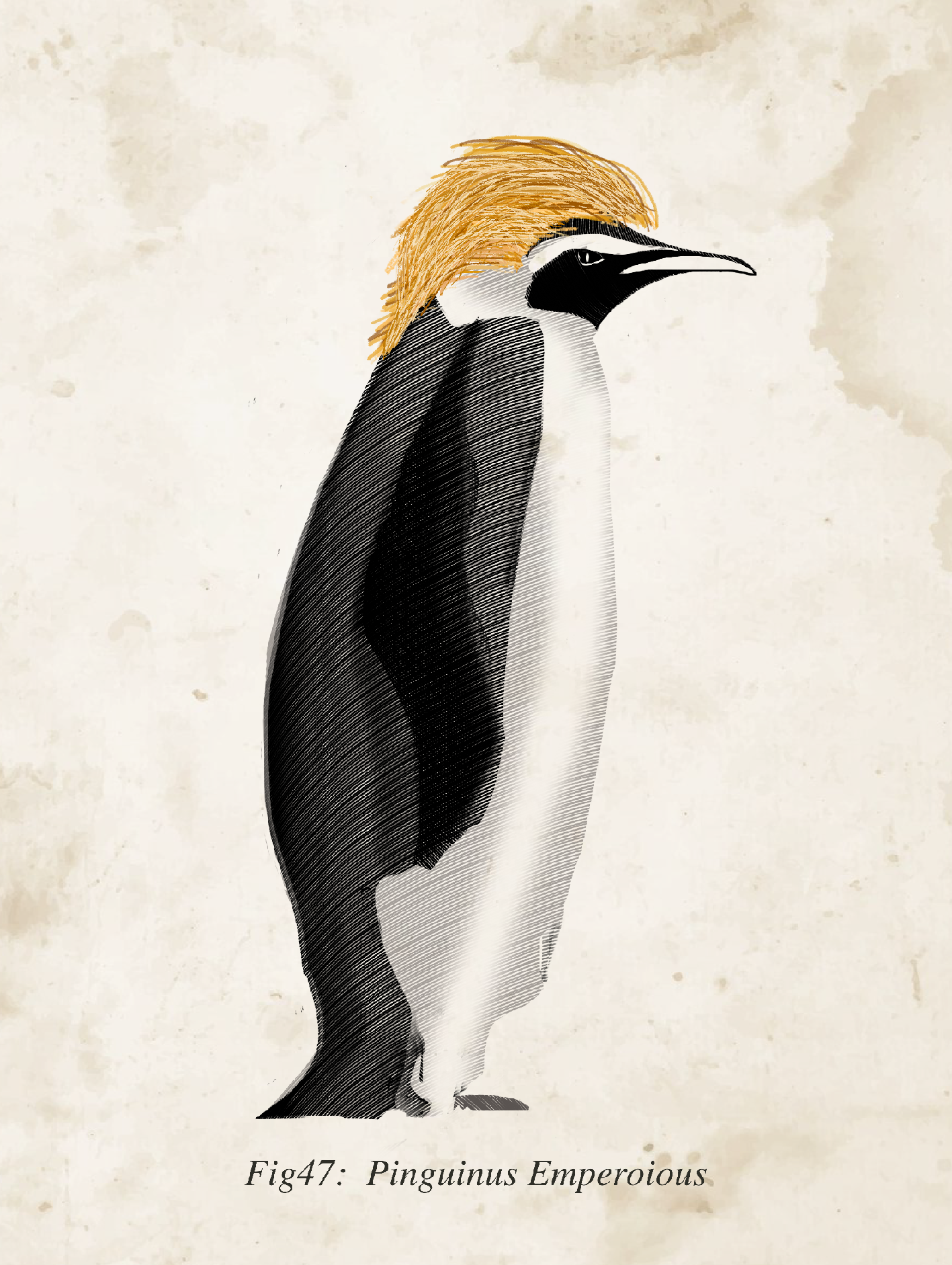
Pinguinus Imperious - Edition of 50 - (21 x 30cm) - £100
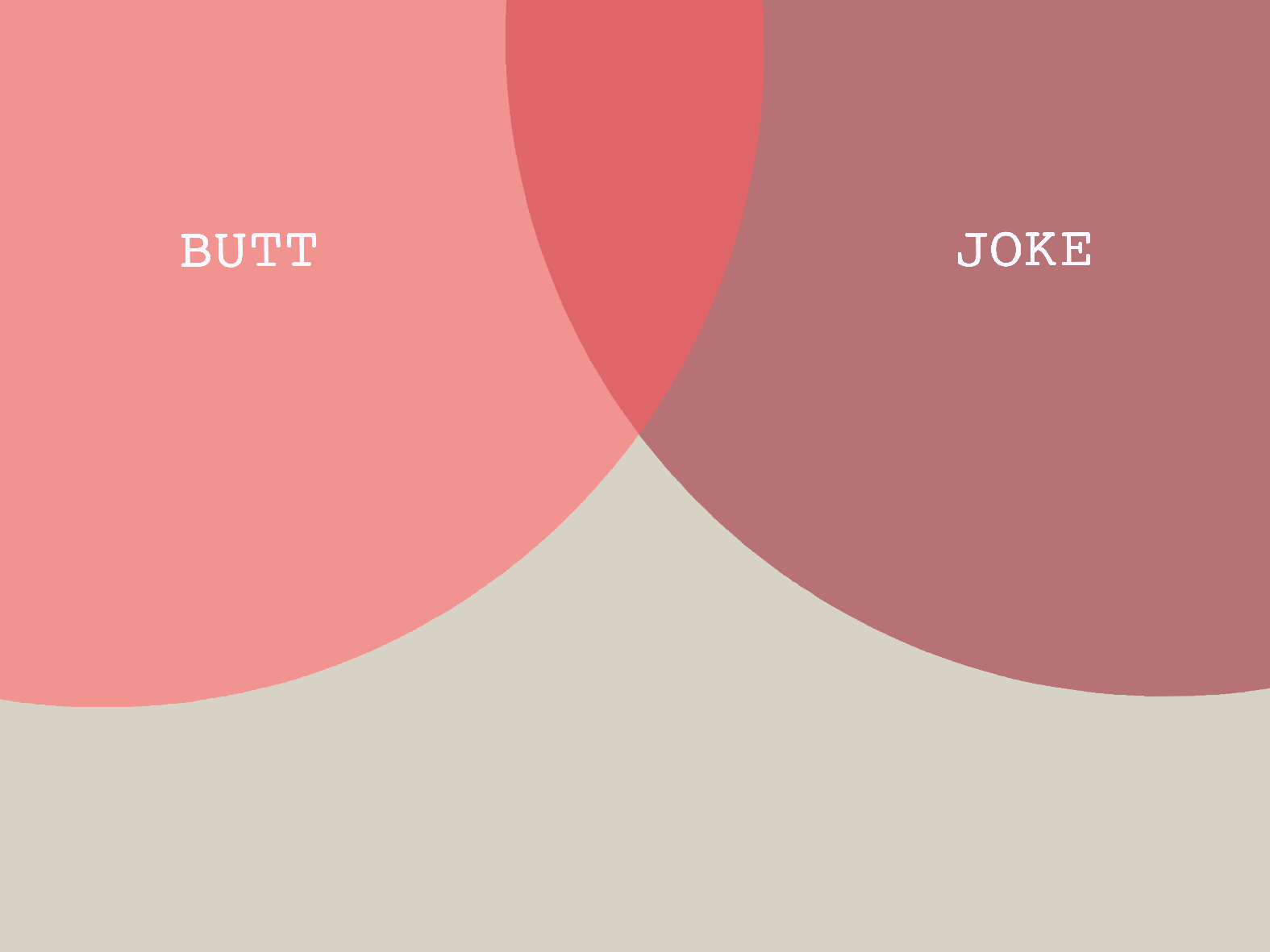
Venn Diagram - Edition of 50 - (30 x 40cm) - £120
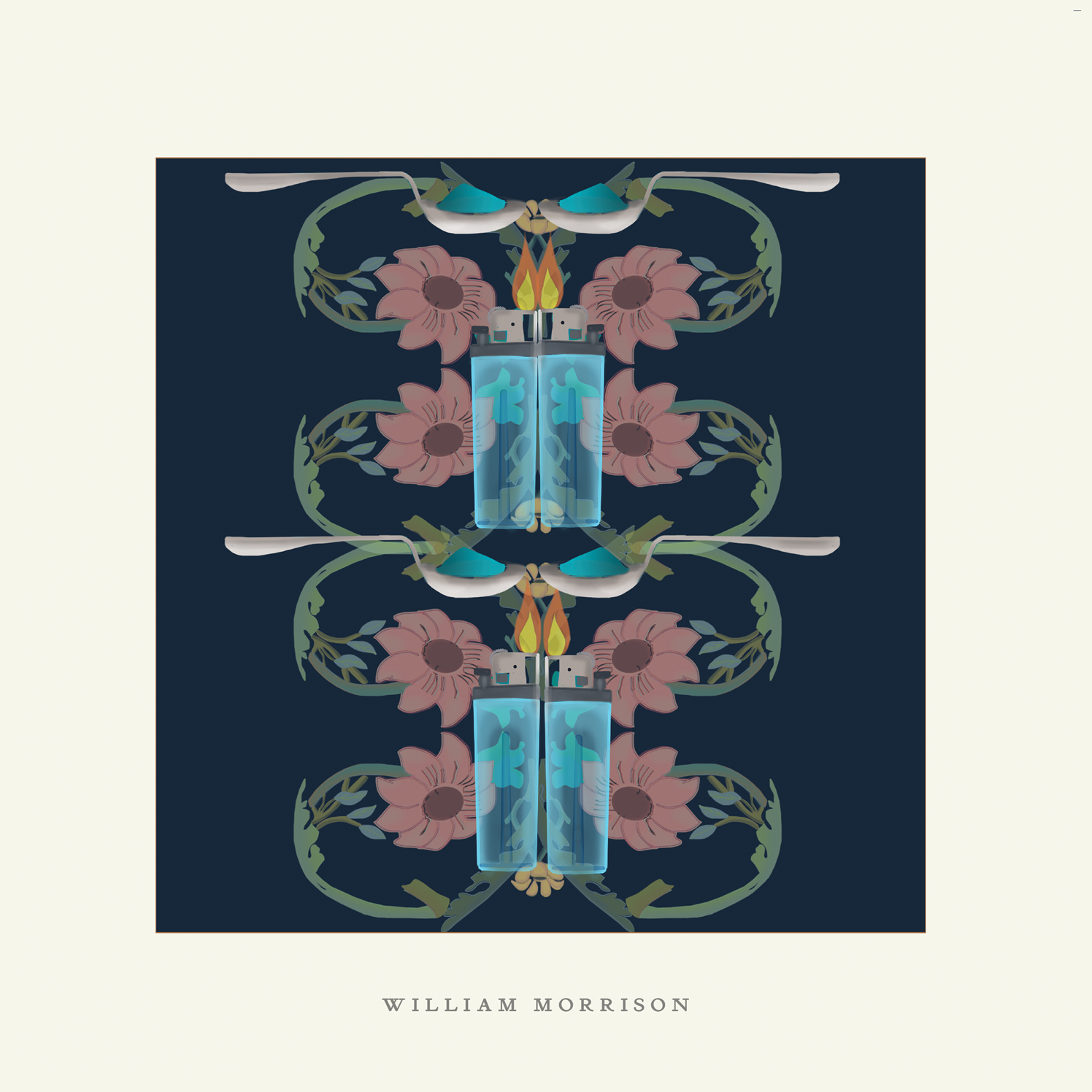
William Morrison - Edition of 50 - (30 x 40cm) - £120
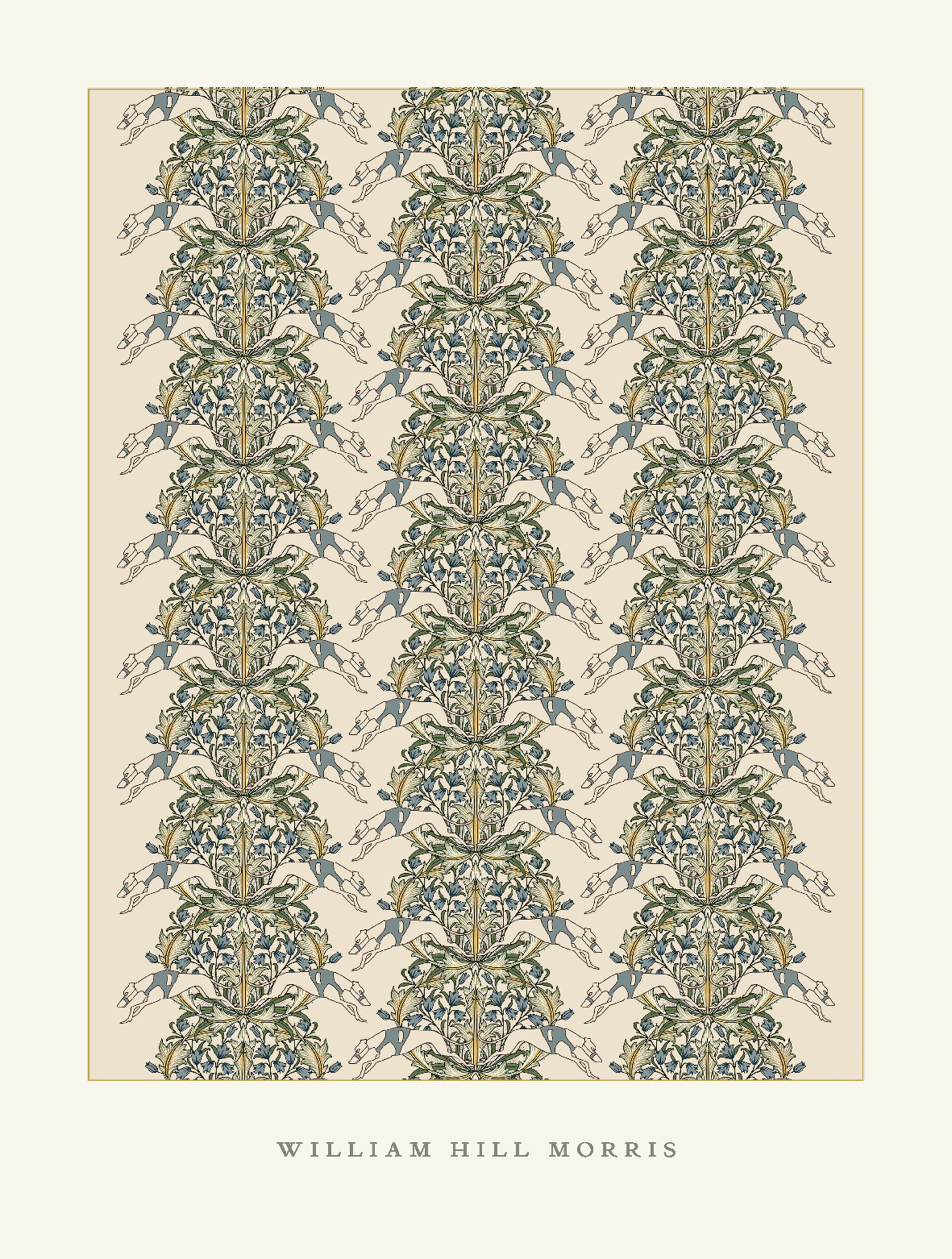
William Hill Morris - Edition of 50 - (30 x 40cm) - £120
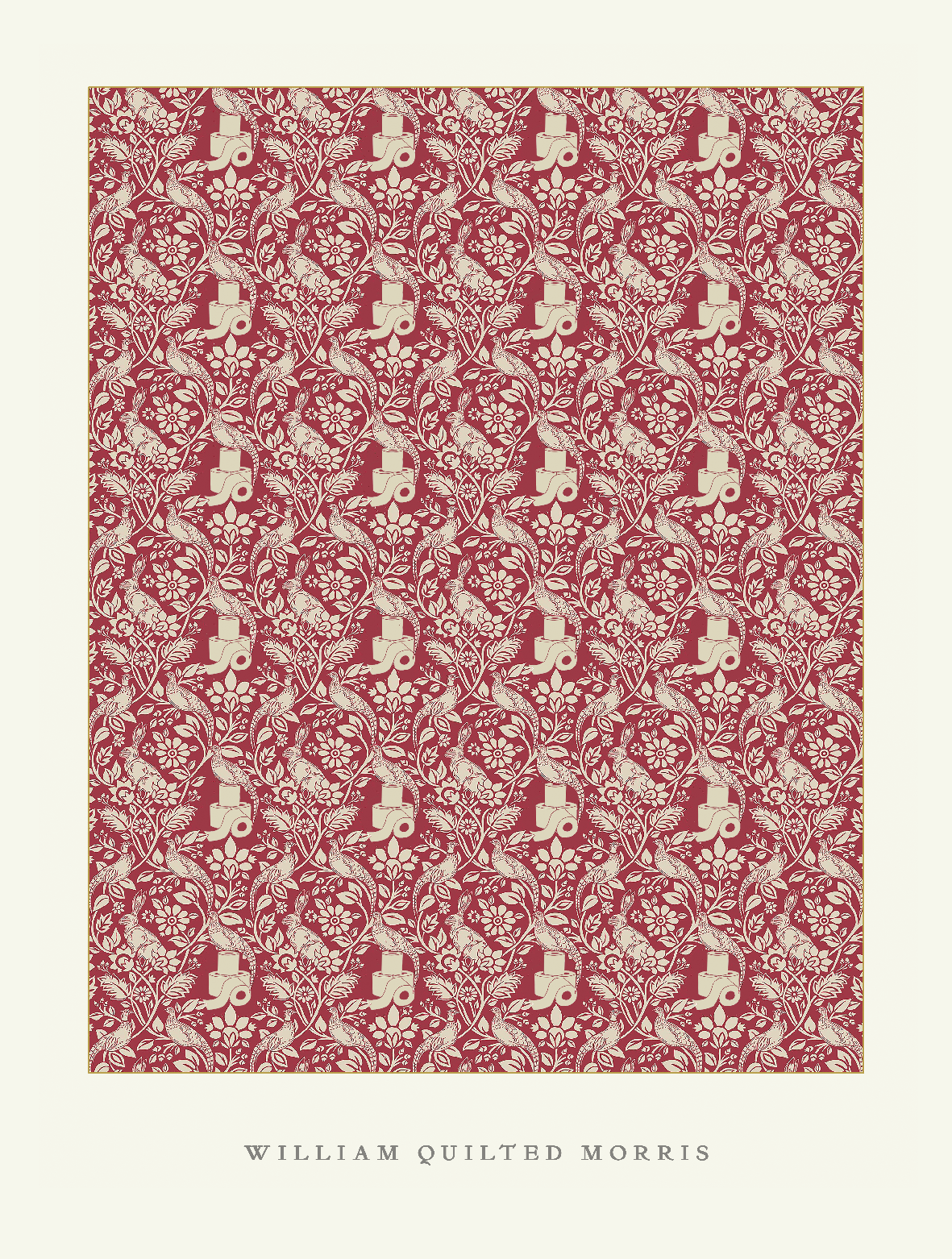
William Quilted Morris - Edition of 50 - (30 x 40cm) - £120
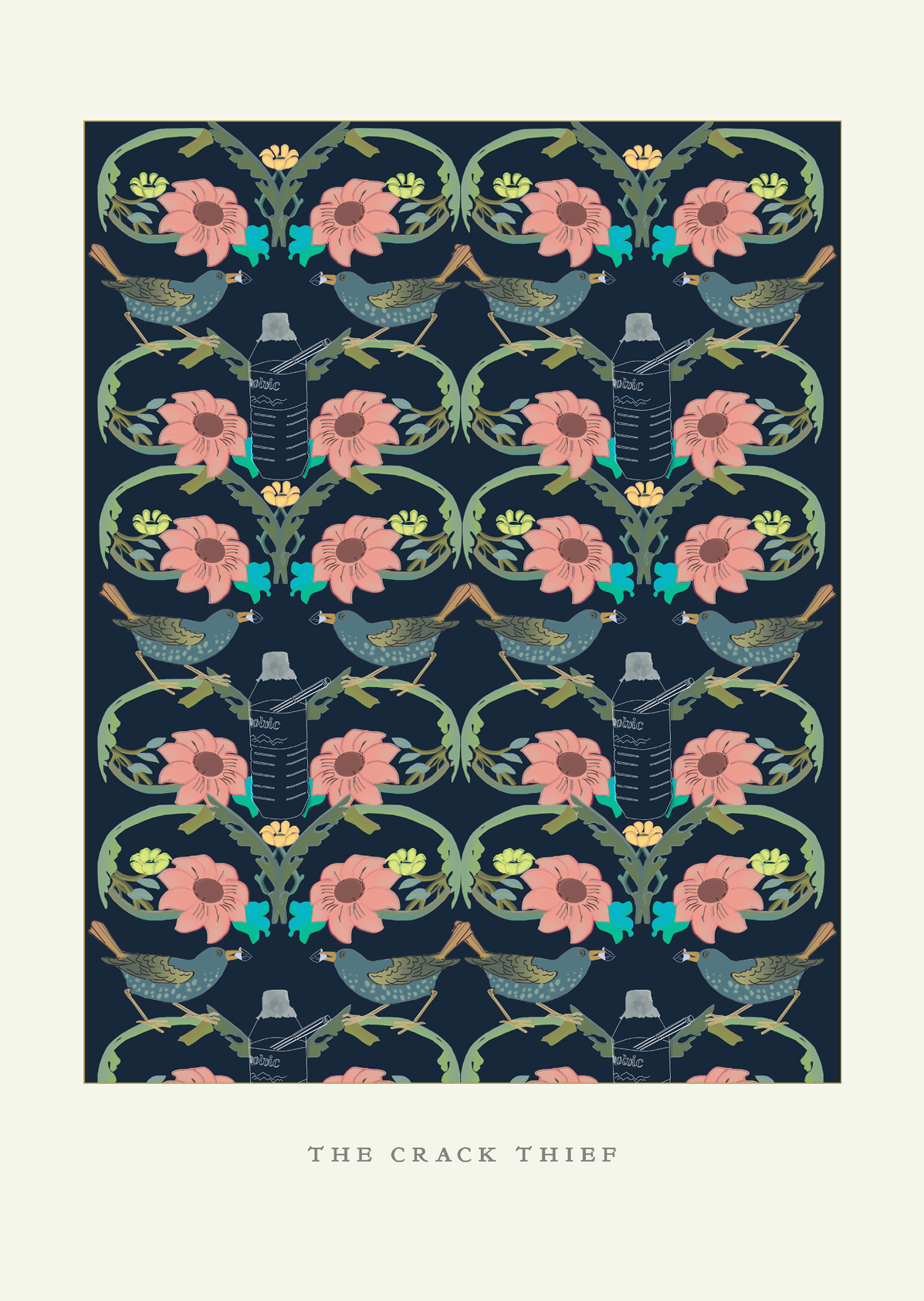
The Crack Thief - Edition of 50 - (30 x 40cm) - £120
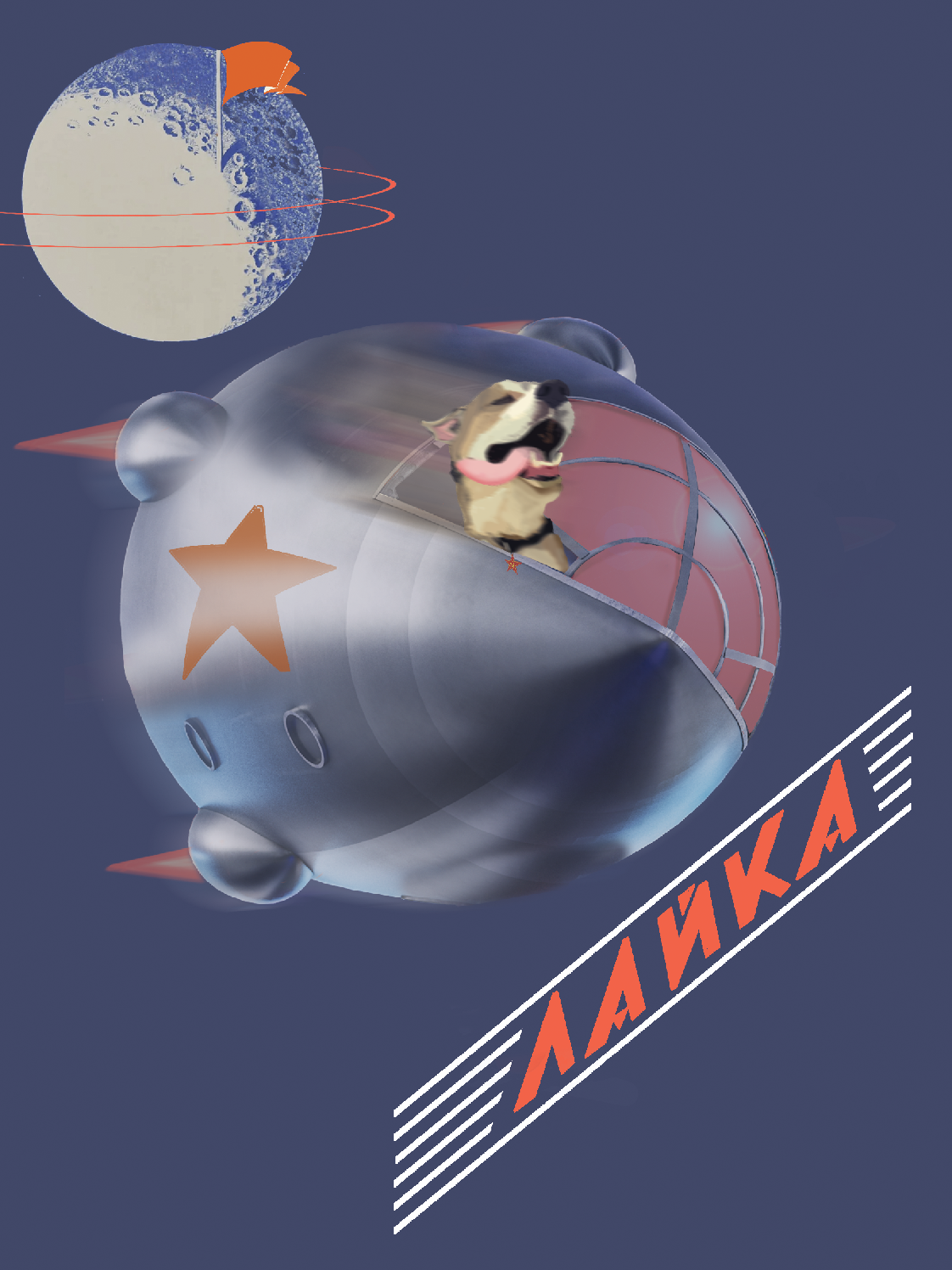
Dog in Space - Edition of 50 - (30 x 40cm) - £120
For all Sales Enquiries contact Hooligan Art Dealer - Tania Wade:
tania-gallery-maisonbertaux@hotmail.co.uk
(Please Note: For Price Requests we do not issue a Price List, please send the title of works you are interested in.)
All artwork is copyrighted by artists and is not for replication.
Prints are only available from Hooligan Art Dealer and come with Certificate of Authenticity.
All Rights Reserved. Tania Wade, Hooligan Art Dealer.